
Signup for SMS notifications

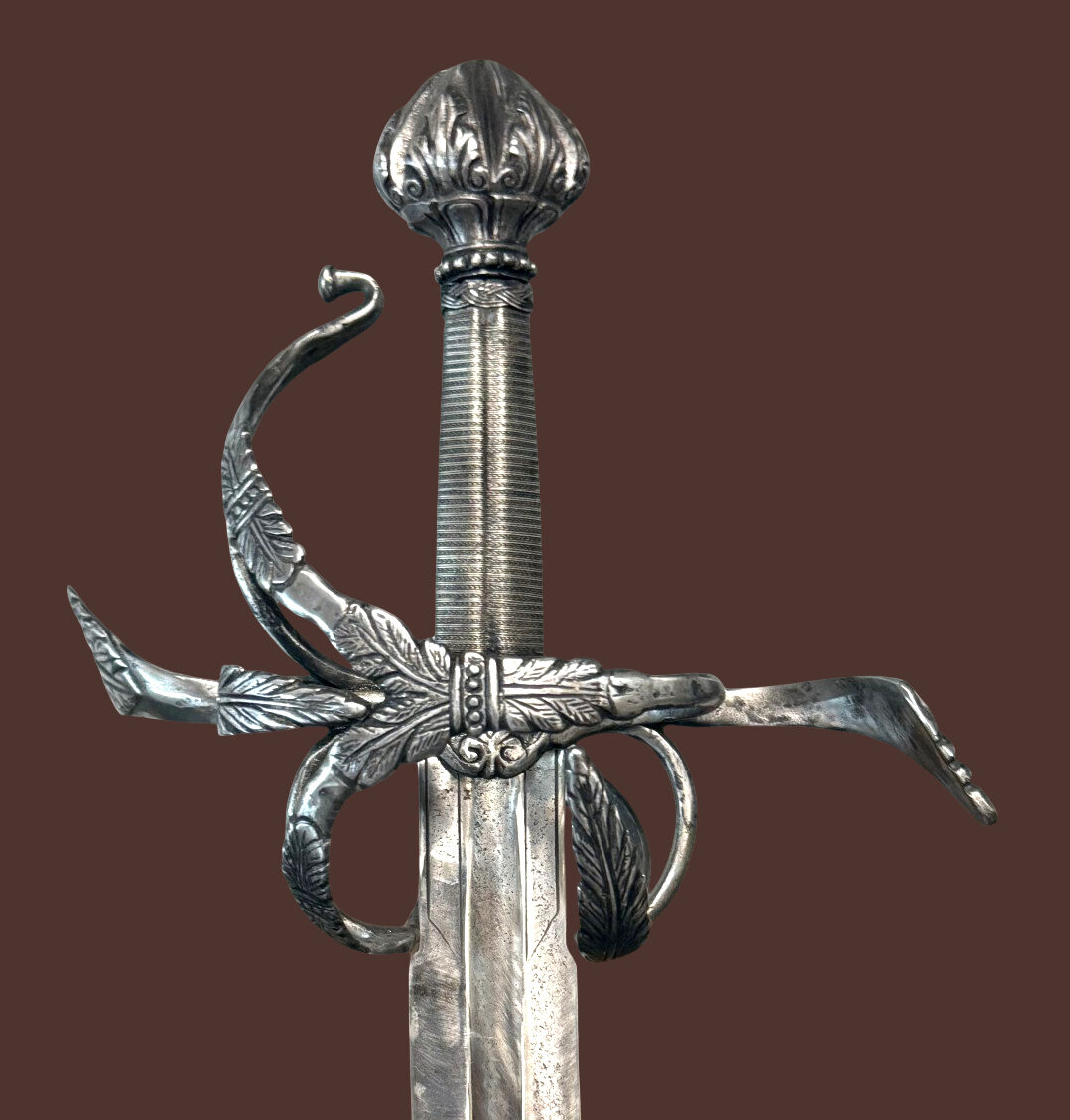
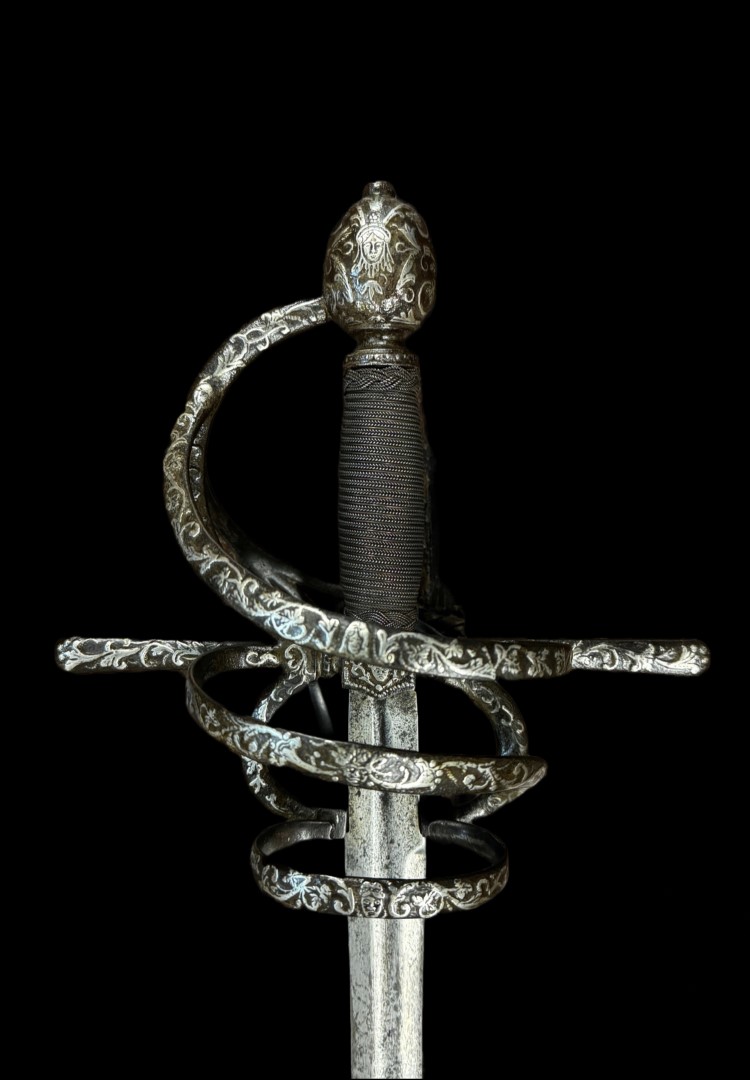
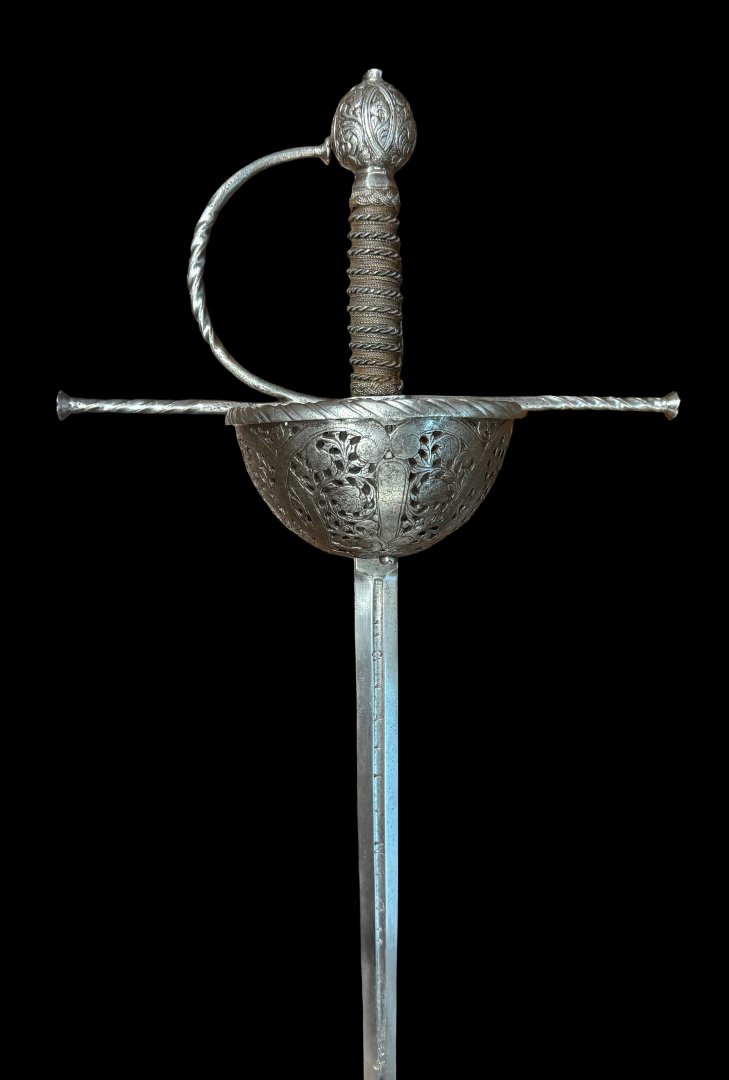
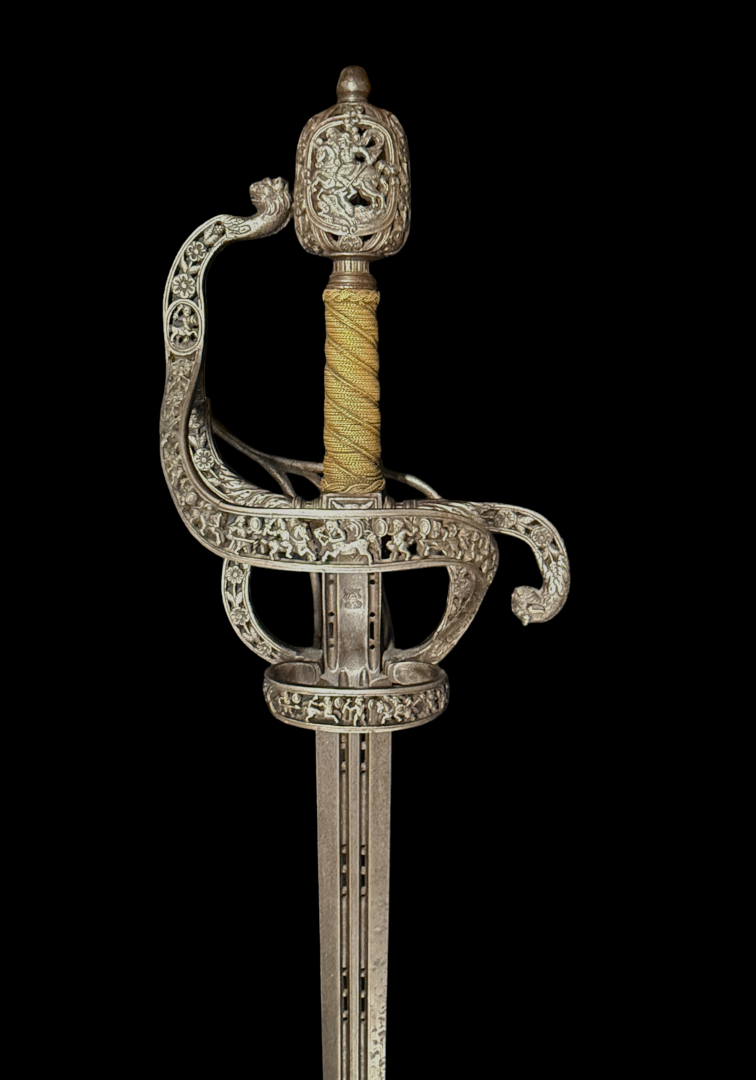
Introduction: A highly ornate German swept hilt characterized by its sculptural, organic relief carvings. Classified as Norman type 38. This is an exceptional rapier. A highly expensive, ornate rapier such as this one was the equivalent of a person in our day and age making a fashion or opulence statement by wearing very expensive jewelry, such as a...
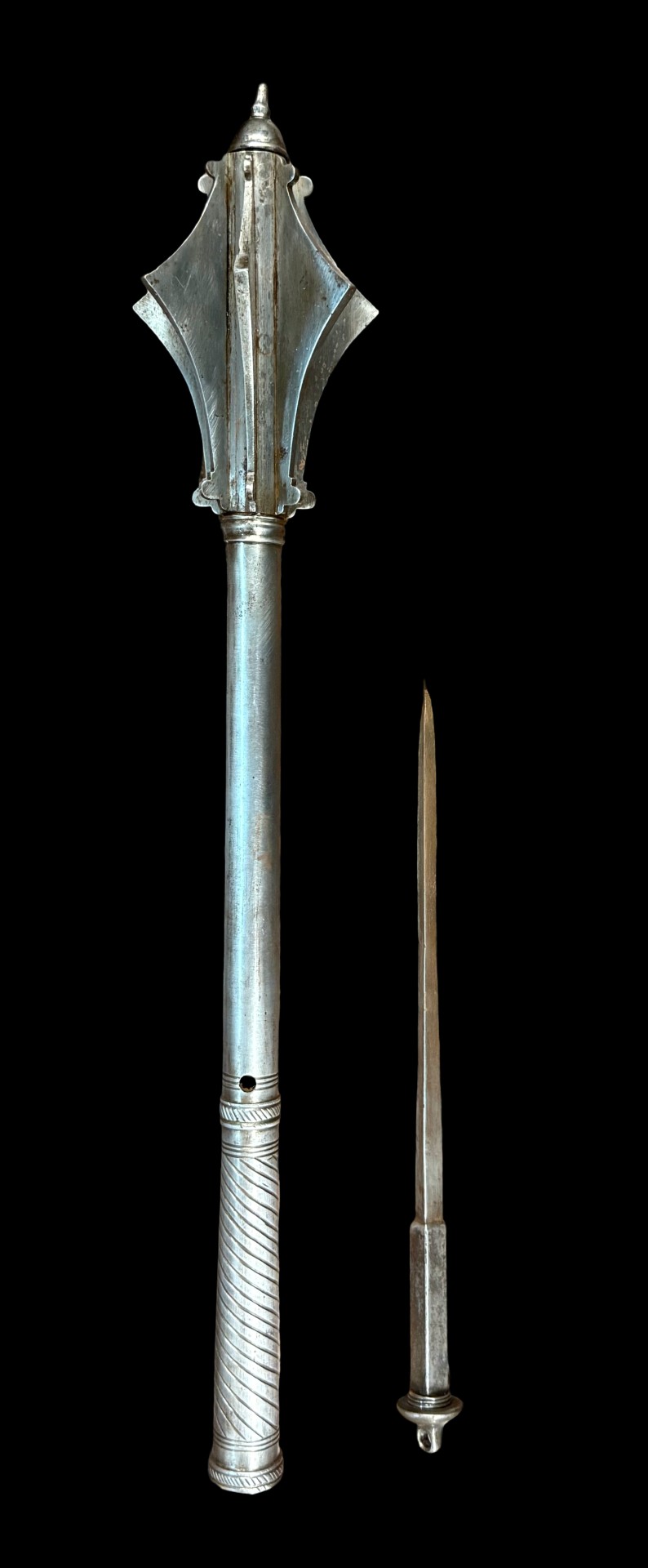
Introduction: Real combination weapons are exceptionally rare. This is the earliest combination weapon I have had. A late Gothic combination mace such as this one is an exceptional find. The vast majority of...
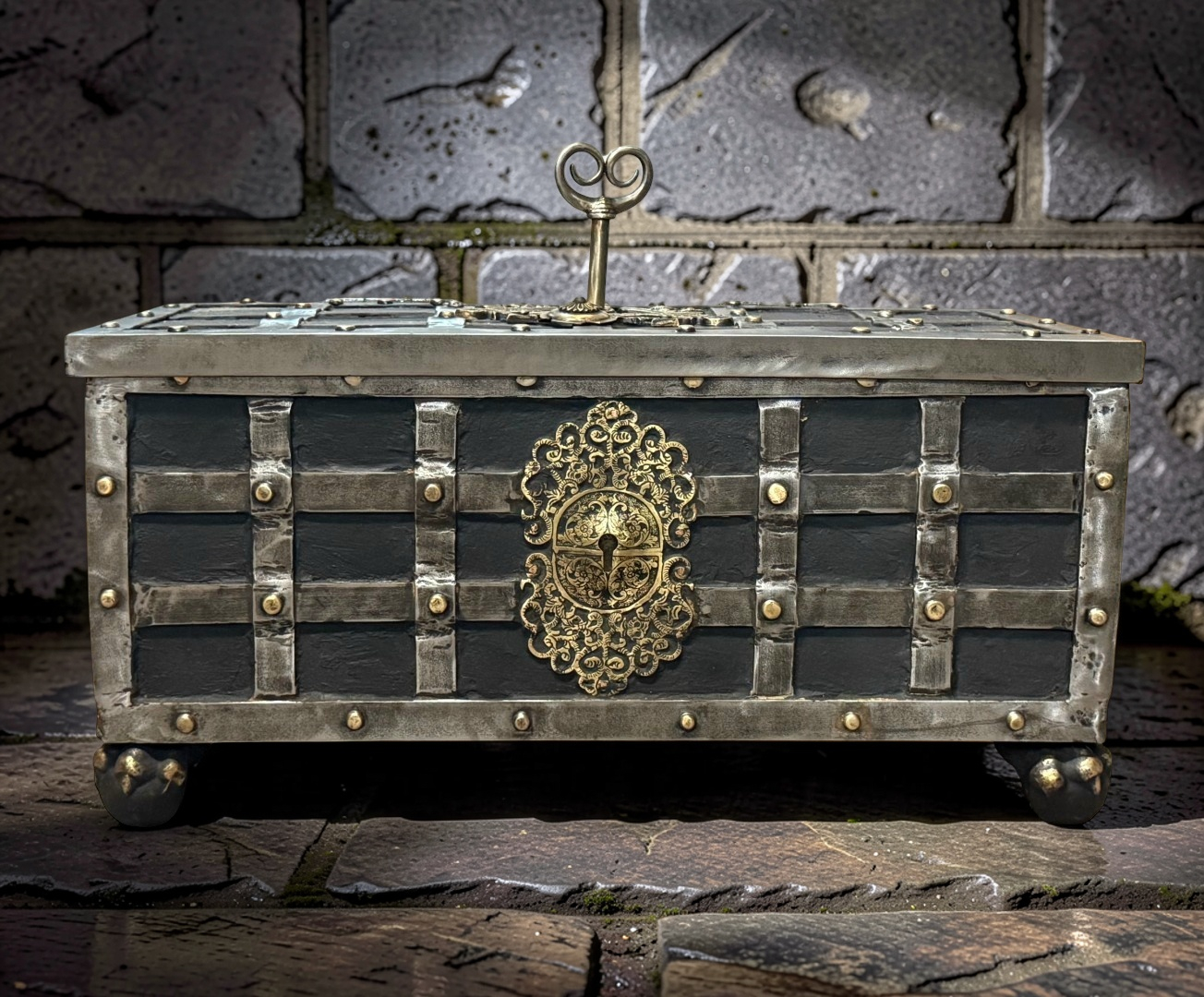
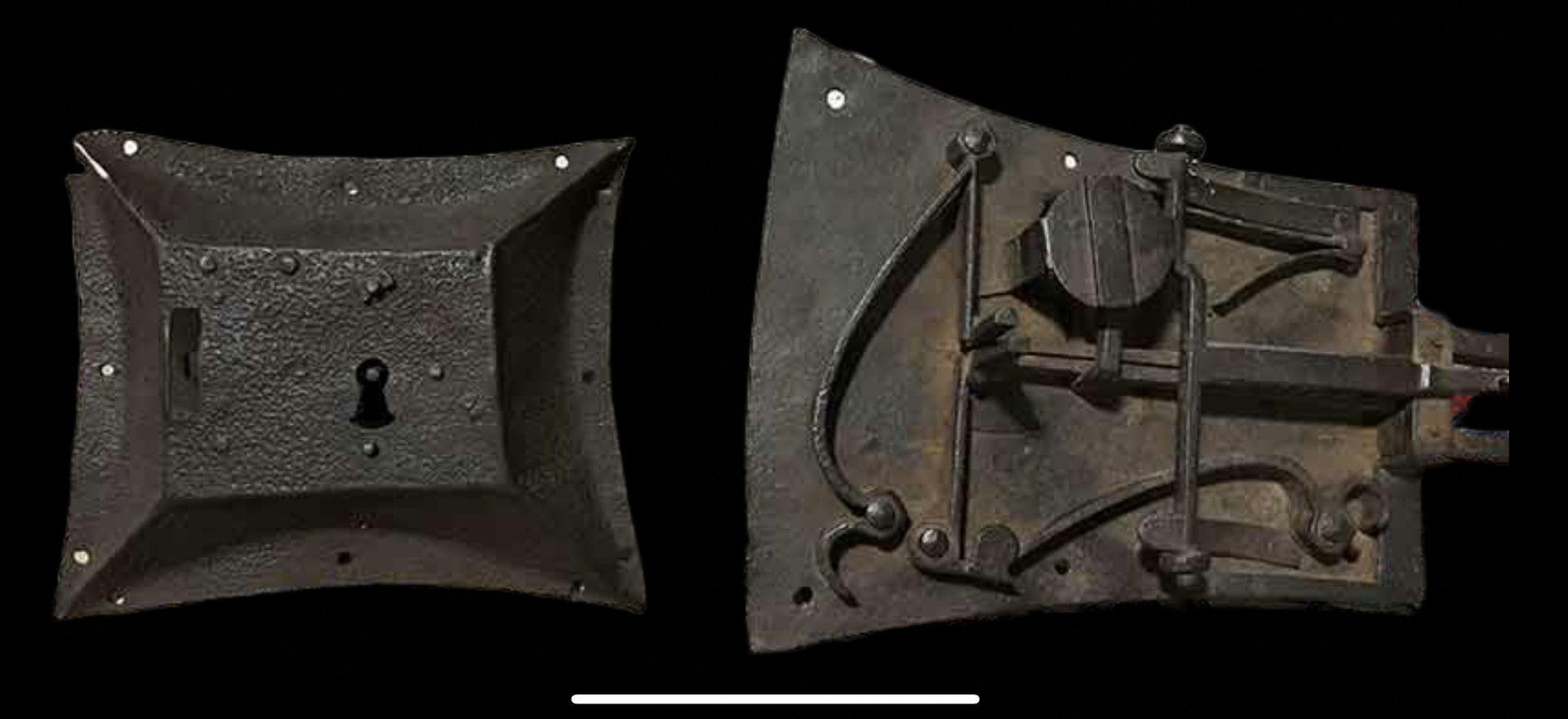
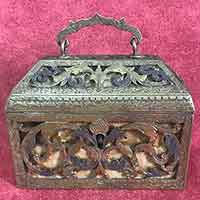
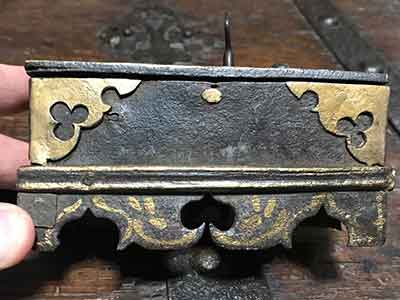
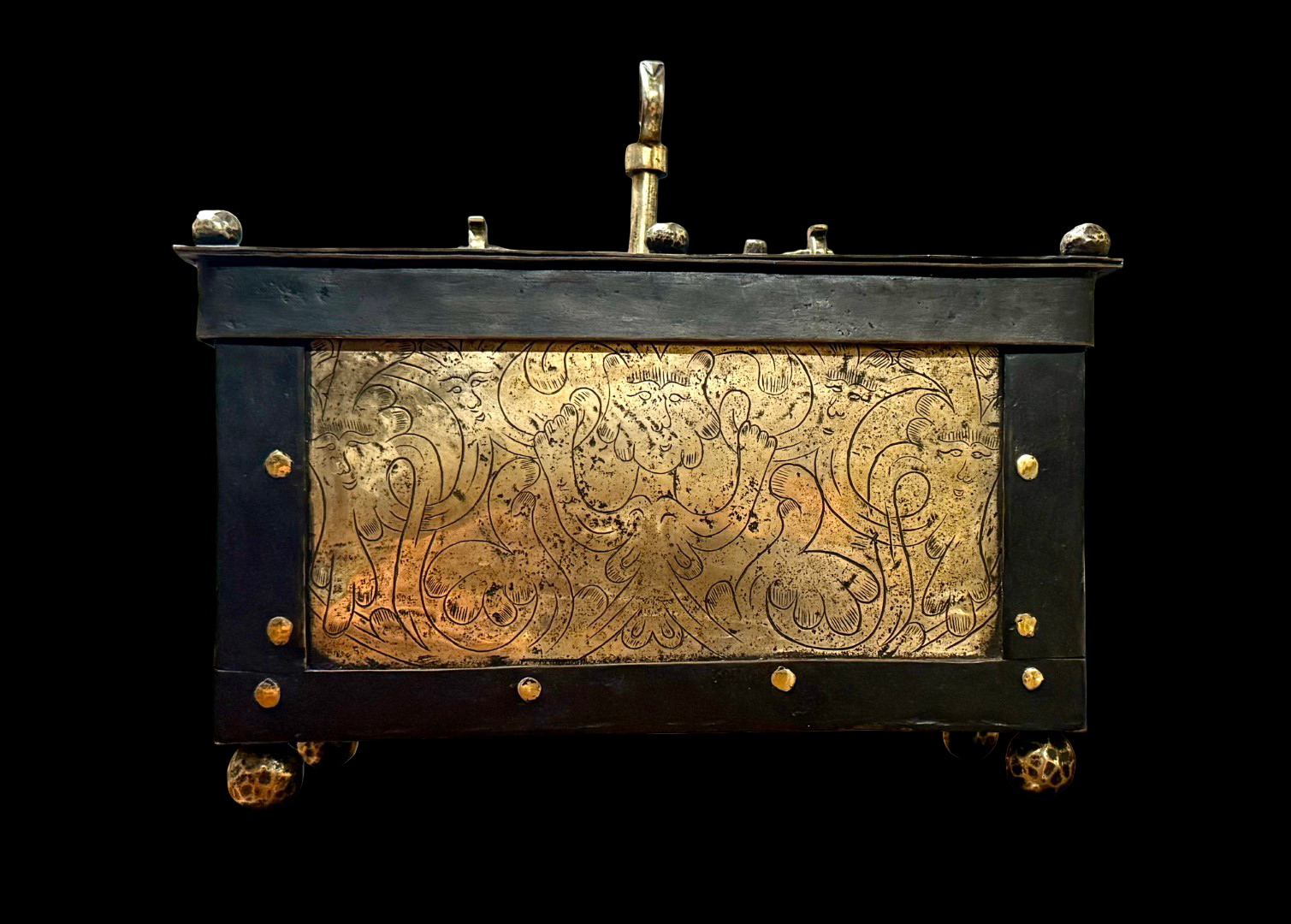
Introduction: The Nuremberg strongbox (also called a coffer or Armada chest) was initially designed for the Nobility and the wealthy to store their money and valuables. Eventually, wealthy travelers also adopted it, but to a lesser degree. Over time, these Renaissance strongboxes have found their way into contemporary homes as decorative and conversational pieces of f...
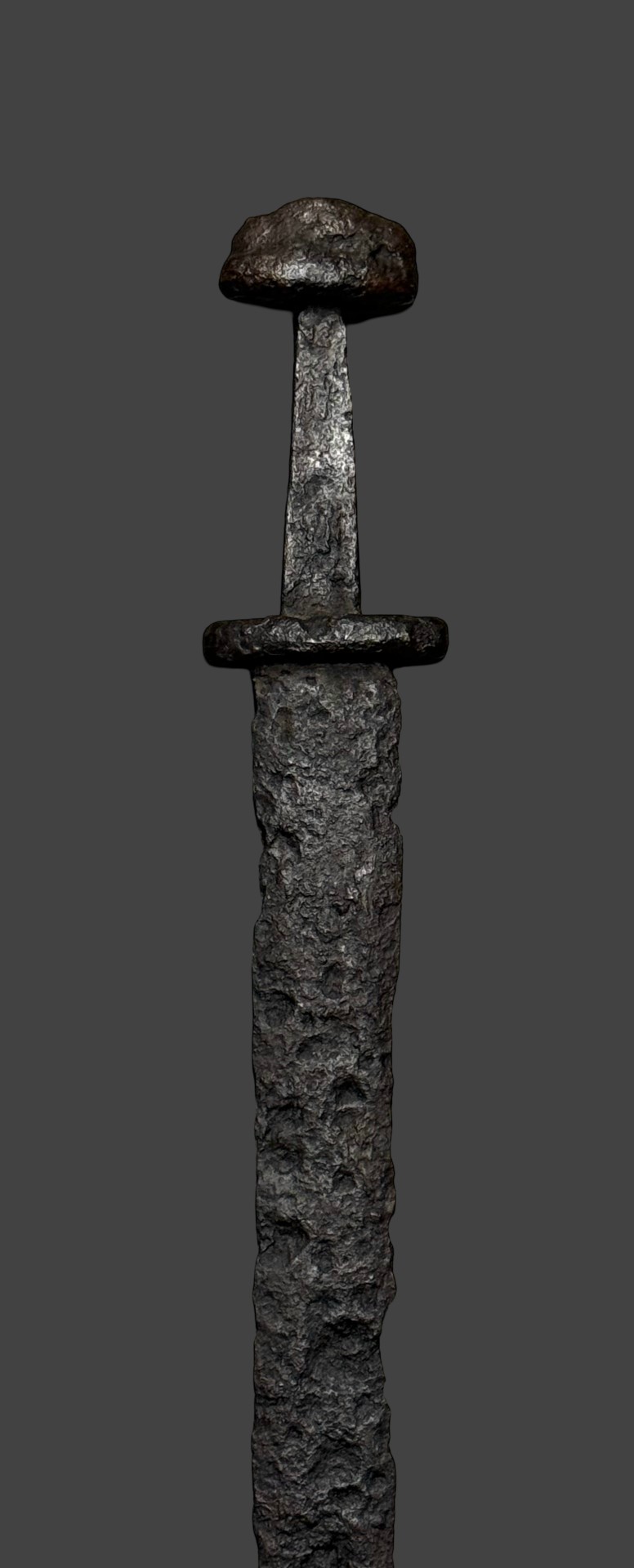
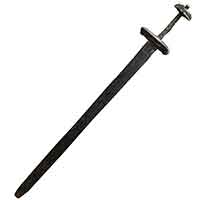
Introduction: Deliberately bending, twisting, or breaking a sword before burial is one of the more intriguing practices associated with Iron Age and Viking Age weapon burials. Archaeologists often describe such weapons as “ritually killed” because they appear to have been deliberately rendered unusable before being deposited with the dead.
Deliberate weapon destruction is well documented in...
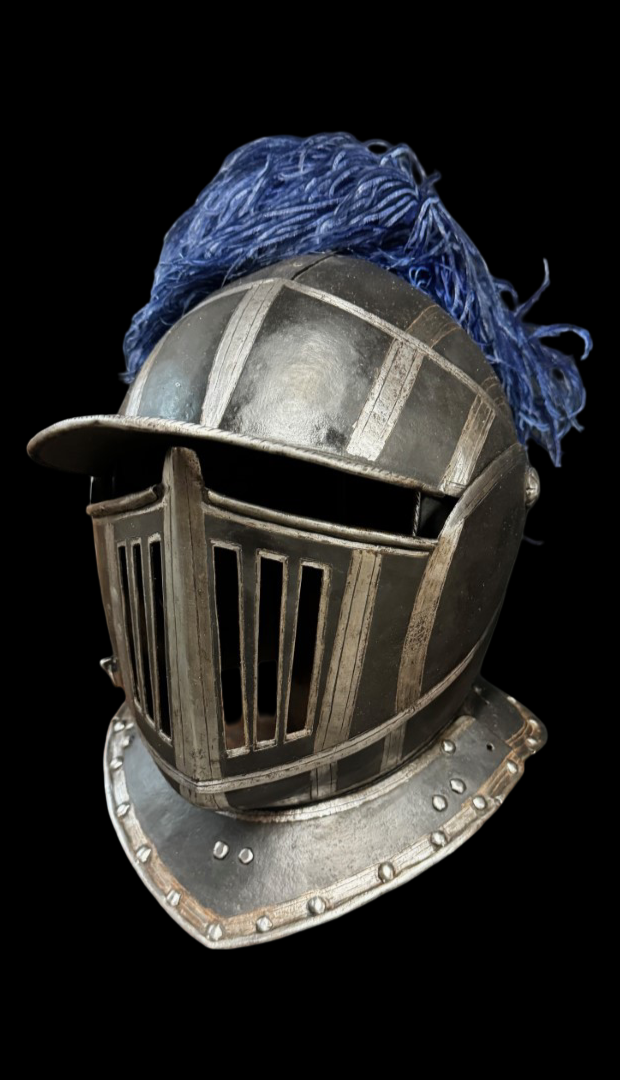
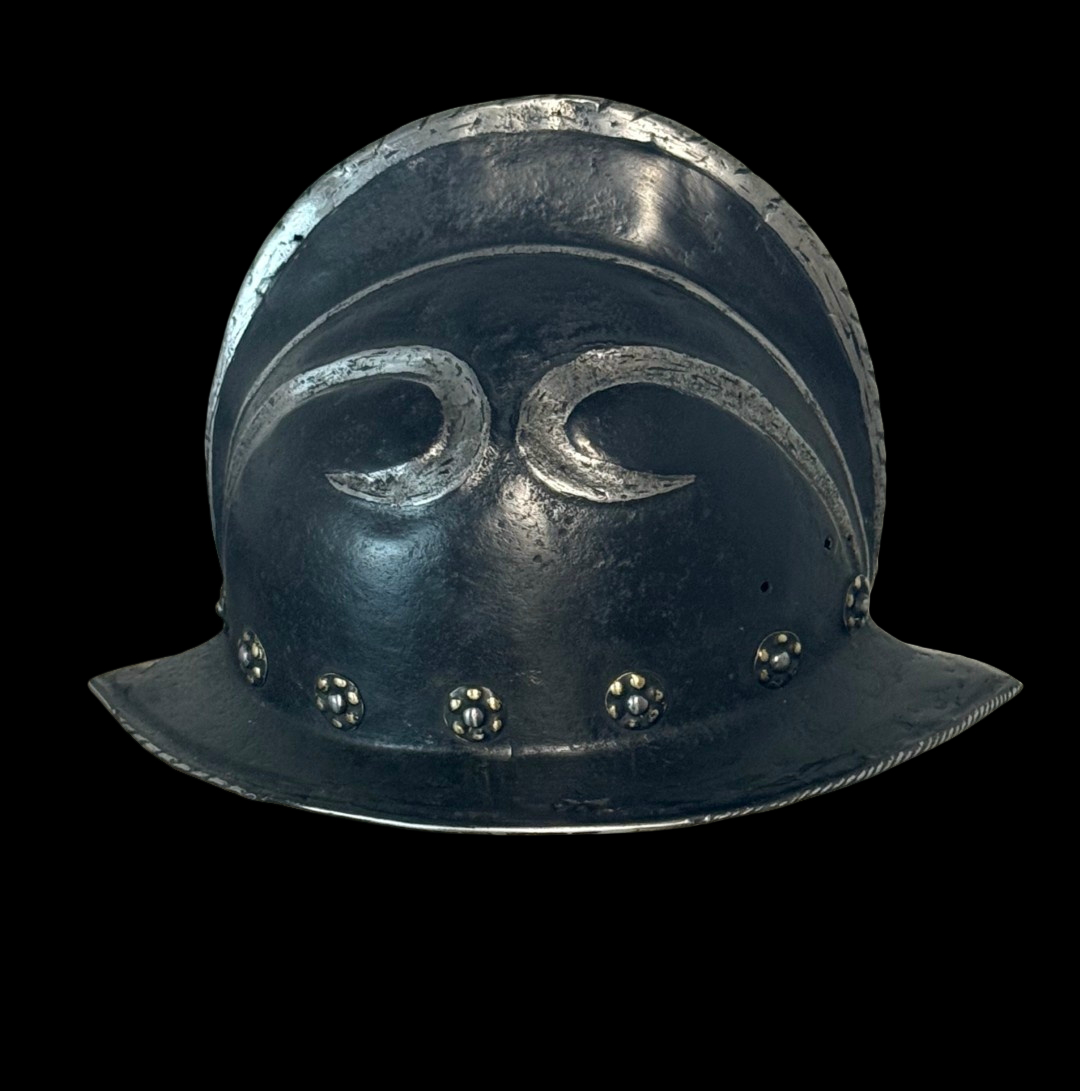
Introduction: Early Italian morions circa 1550 are quite rare and highly sought after by hardcore enthusiast collectors. Unlike later comb morions that commonly appear in the collector's marketplace, these are seldom available for acquisition. As a result, they carry a premium.
Early morions from this period are distinguishable by their low comb and embossing. The lower the comb, the earlier the...
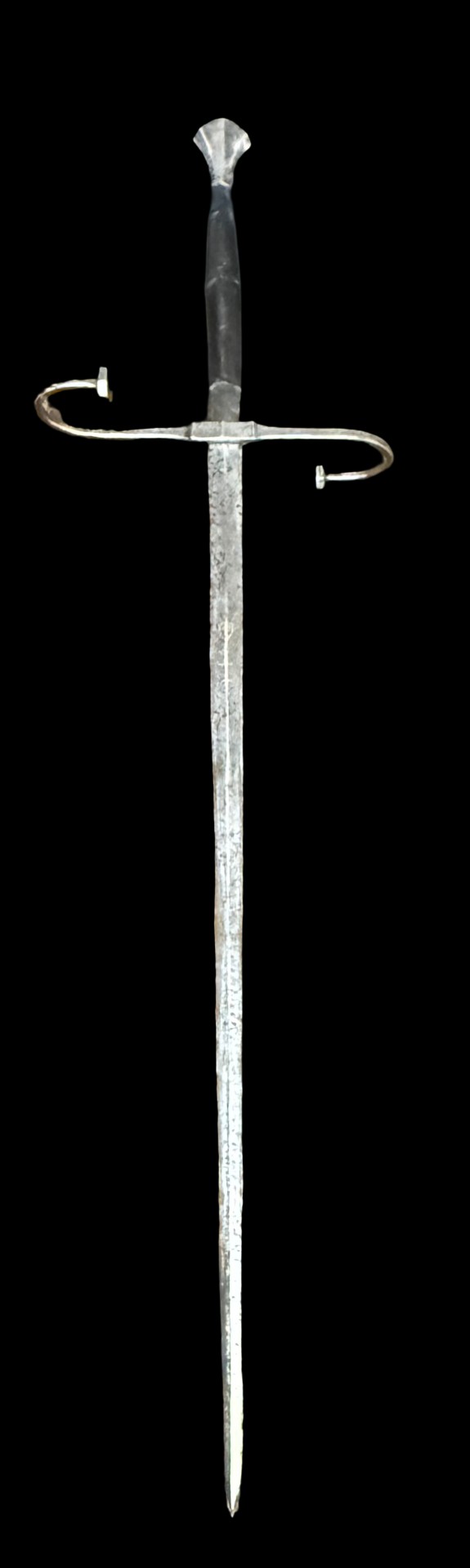
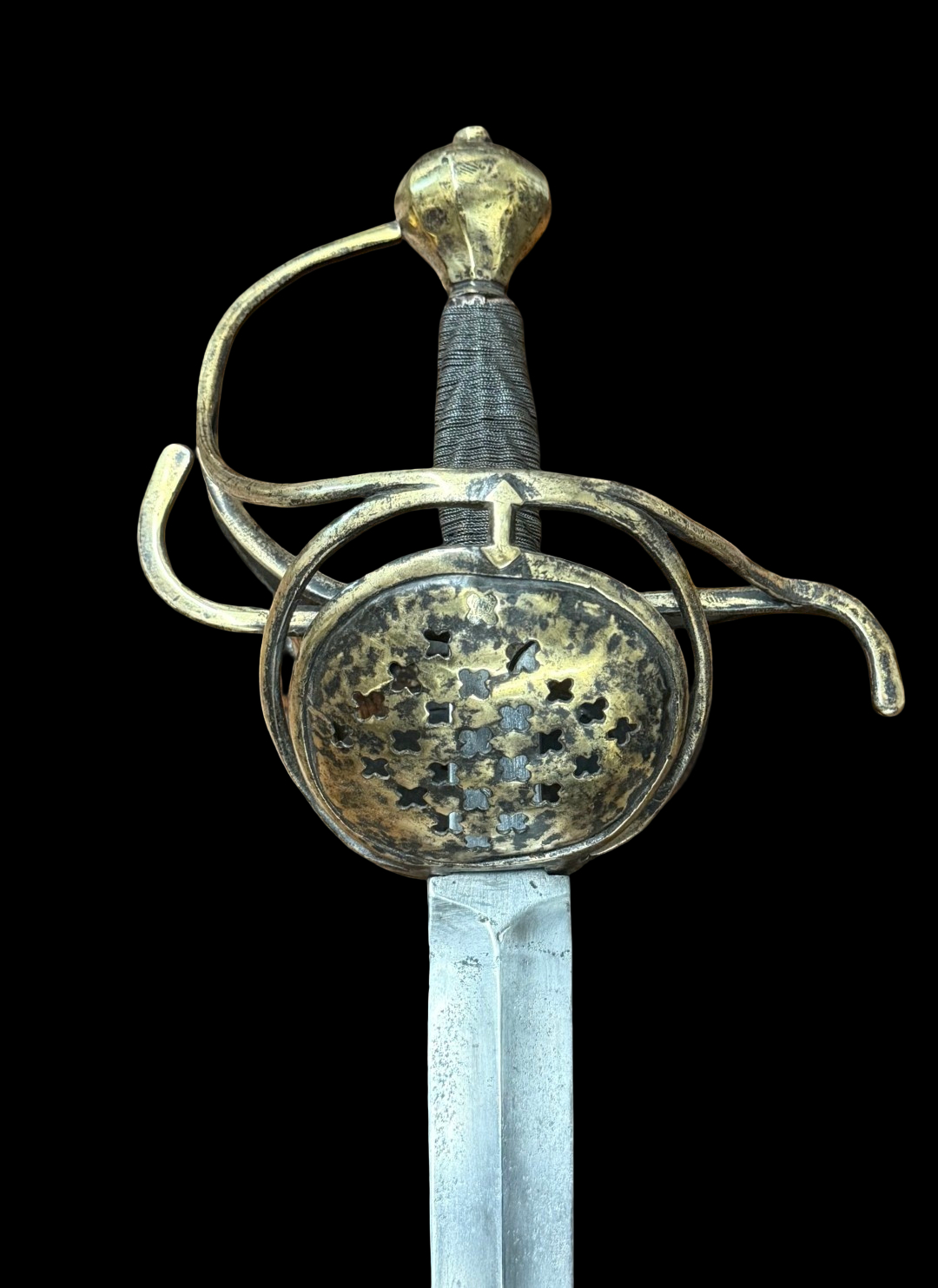
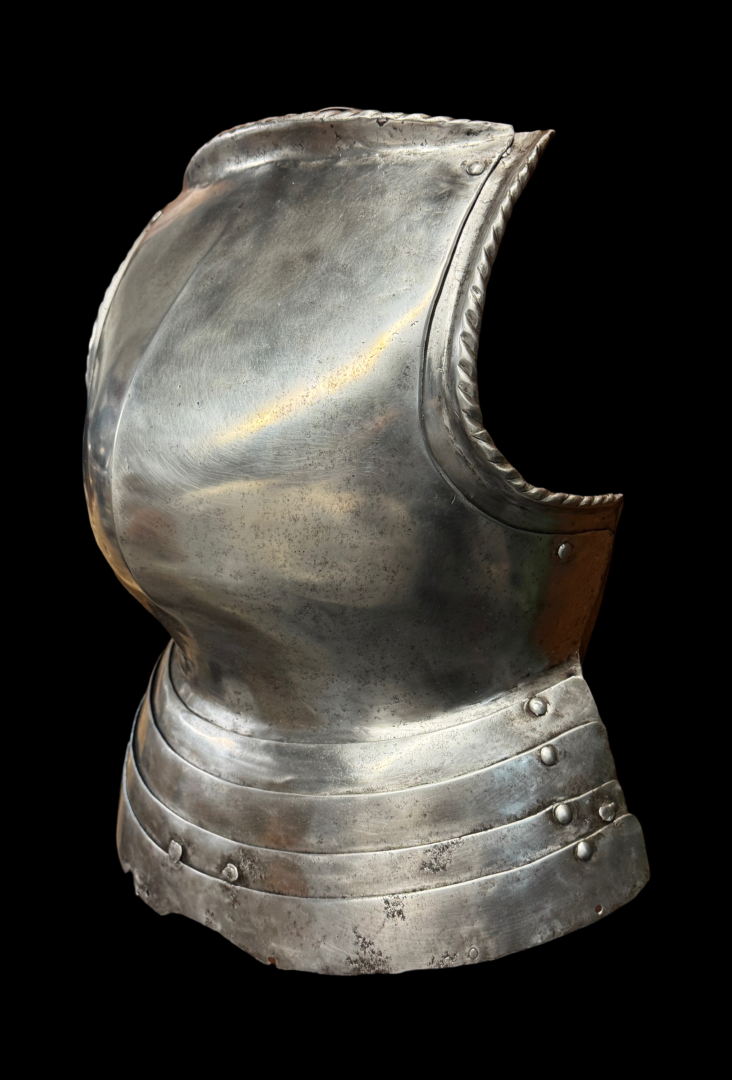
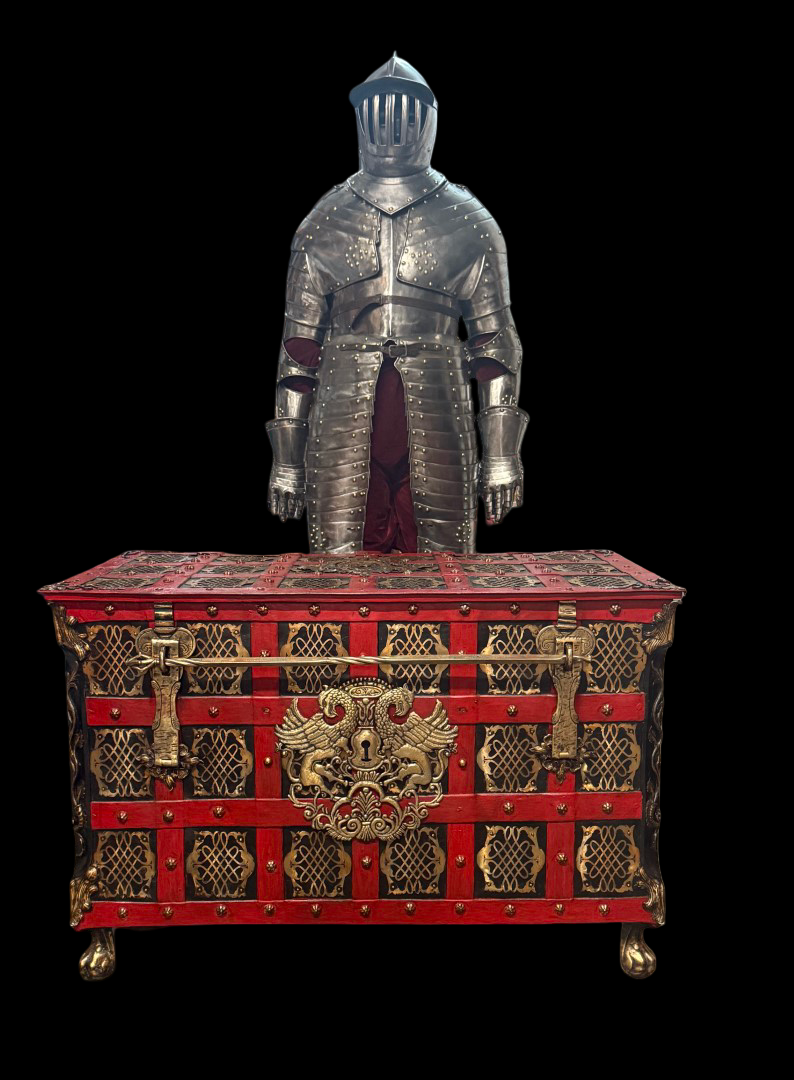
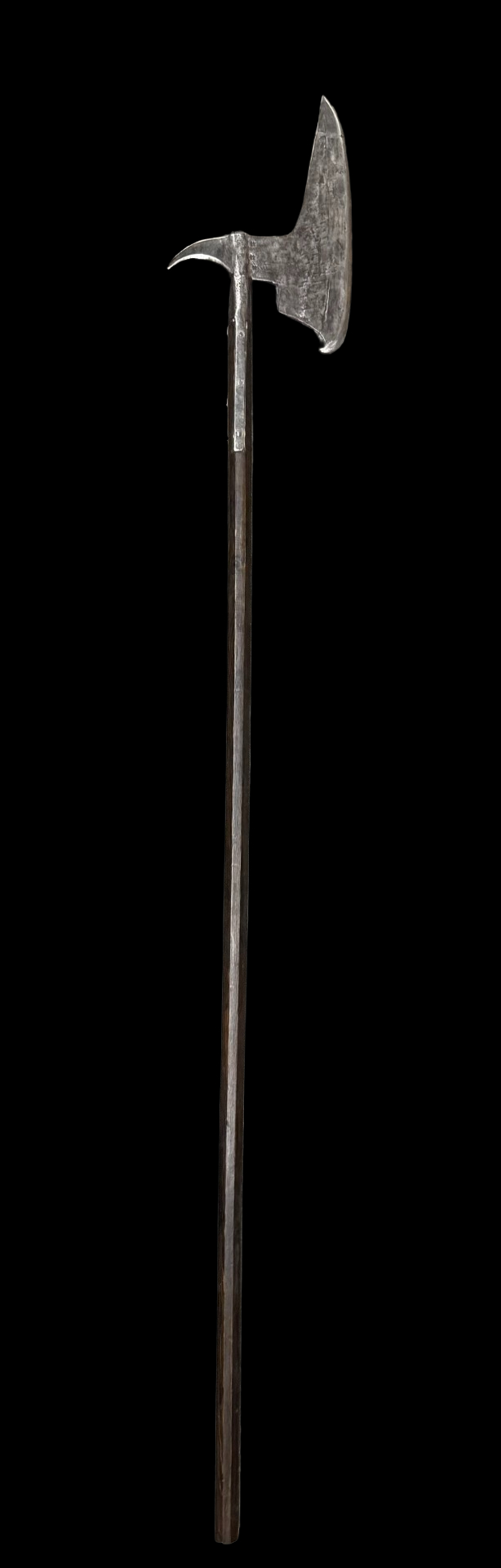
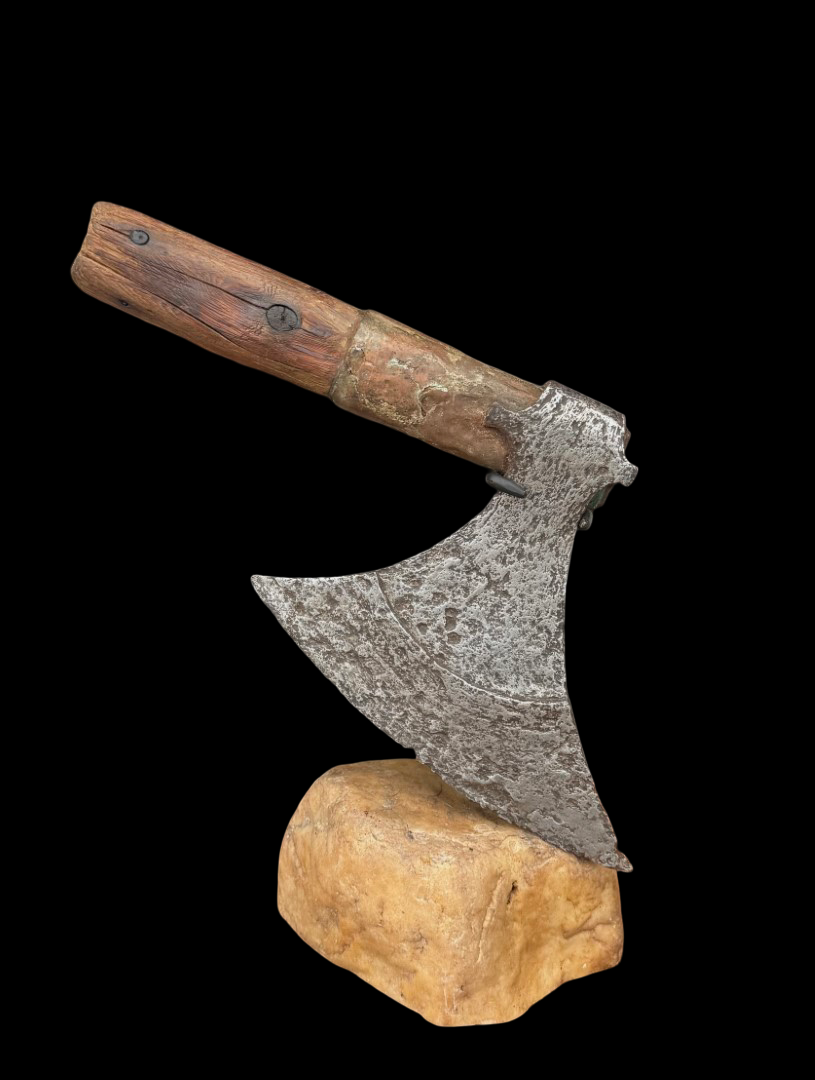
Introduction: In Italian, this battle axe is called “Scure d'arme inastata”.
Description: Constructed with a heavy, broad, single-edged crescent axe blade with a...
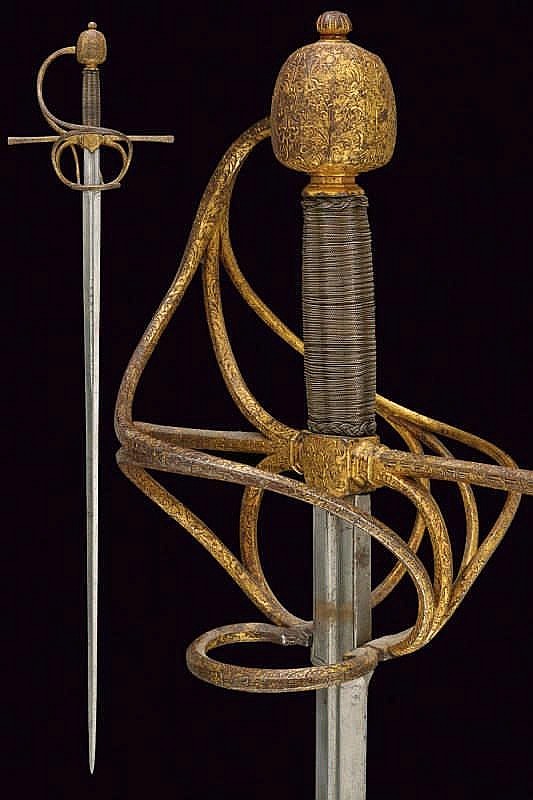

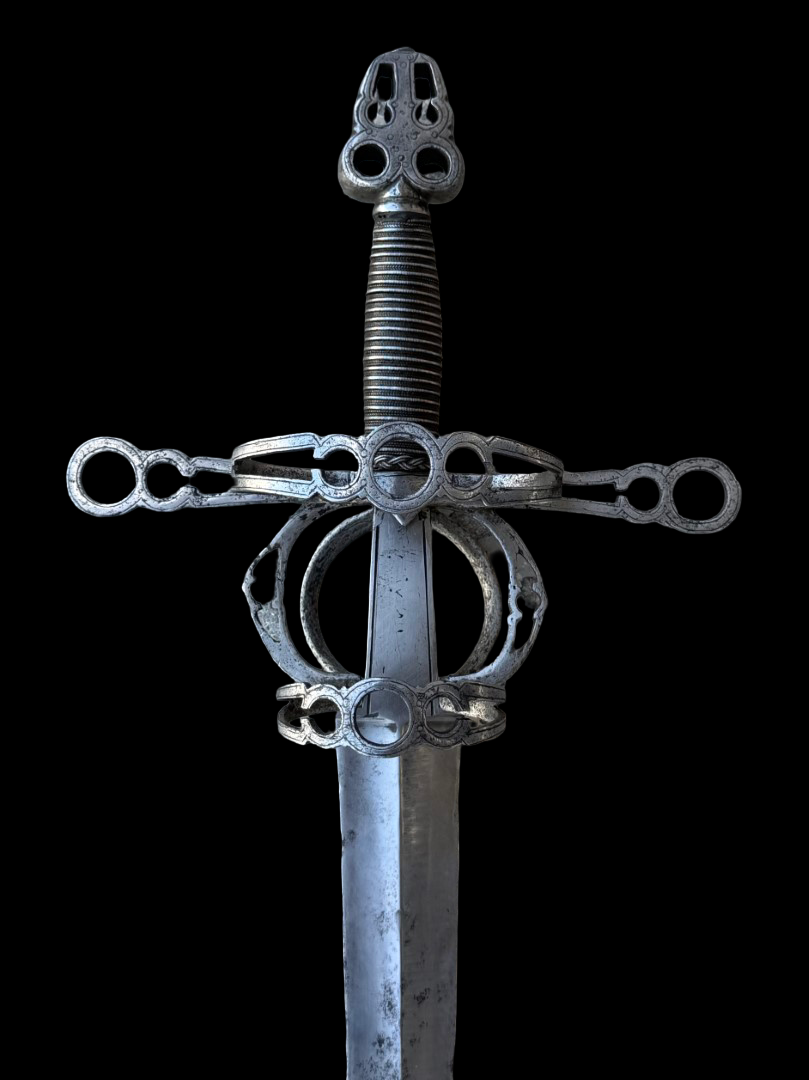
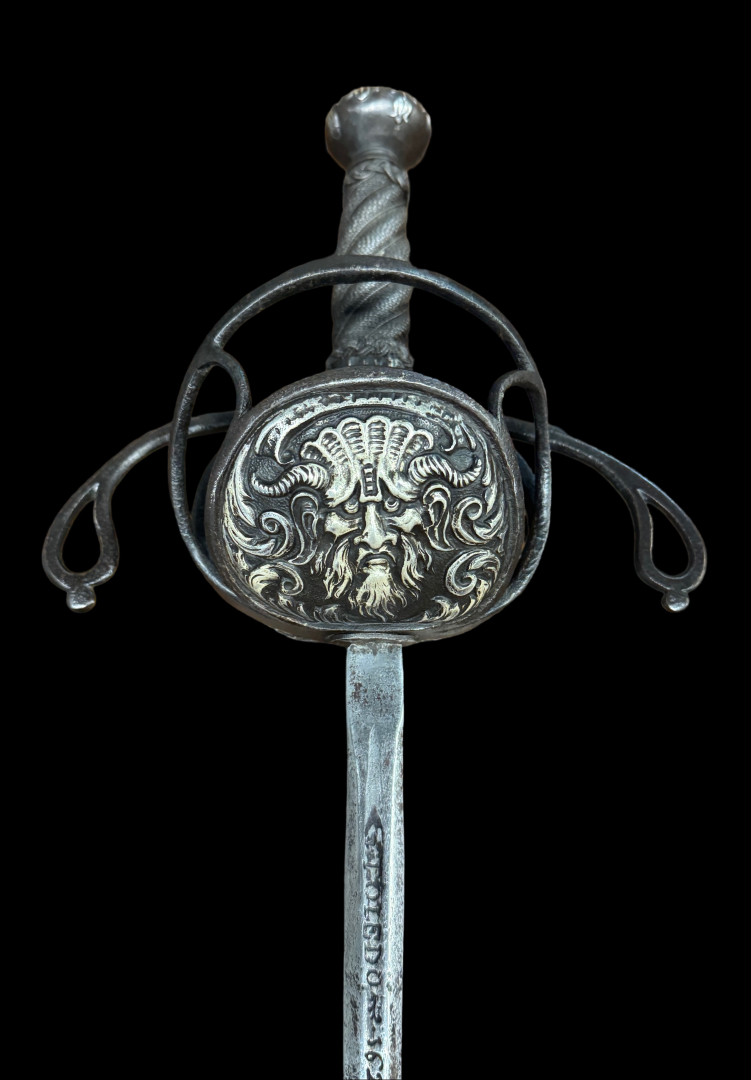
Introduction: This exceptional sword of superb construction and design is in very good condition and priced to sell today. Under the Norman sword typology, this elegant sword in superb condition would be classified as a Hilt 45, used from 1590-1625. The shell decoration may be attributed to the ancient pilgrimage route of “Camino de Santiago”. This rapier has superb construction and...


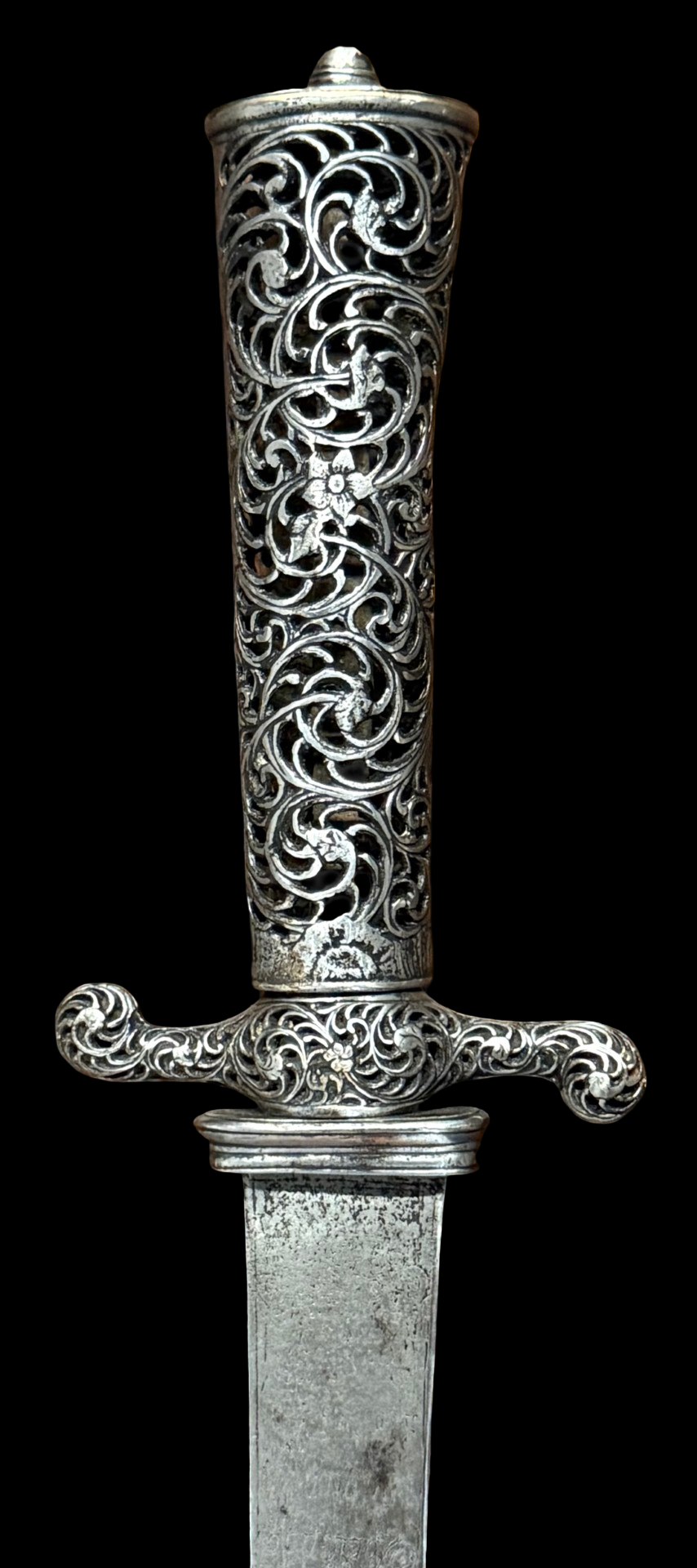
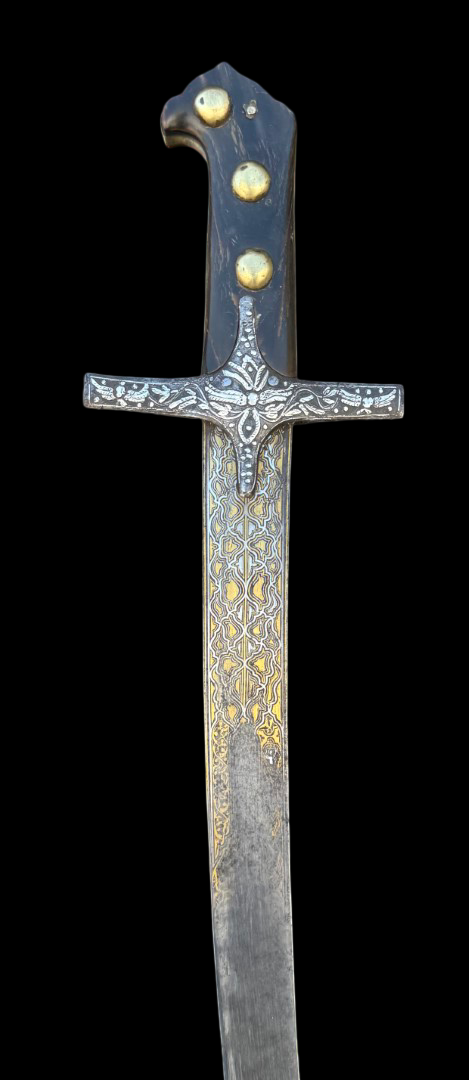
Introduction: The original owner of this sword must have been very wealthy to afford such an elaborately decorated sword. The hunt for the wealthy and noble was a high social affair planned with military precision and included many servants. Among the multitude of servants were beaters who made noise using implements to scare animals toward the...
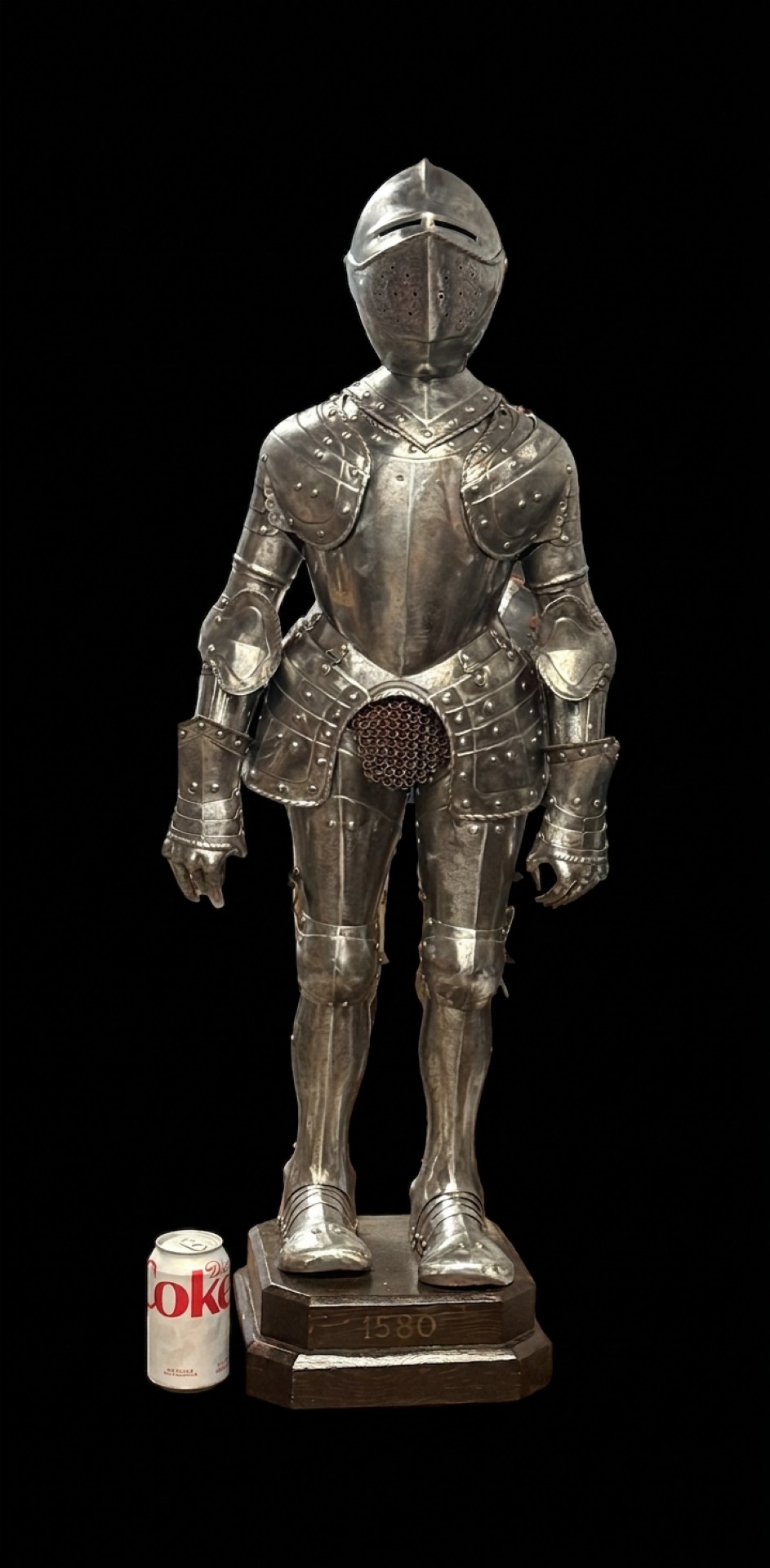
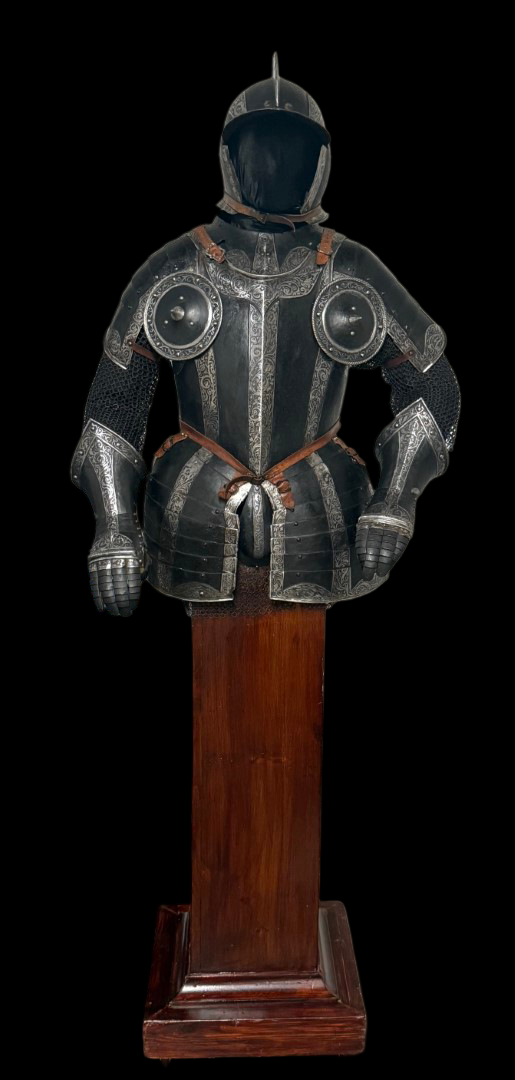
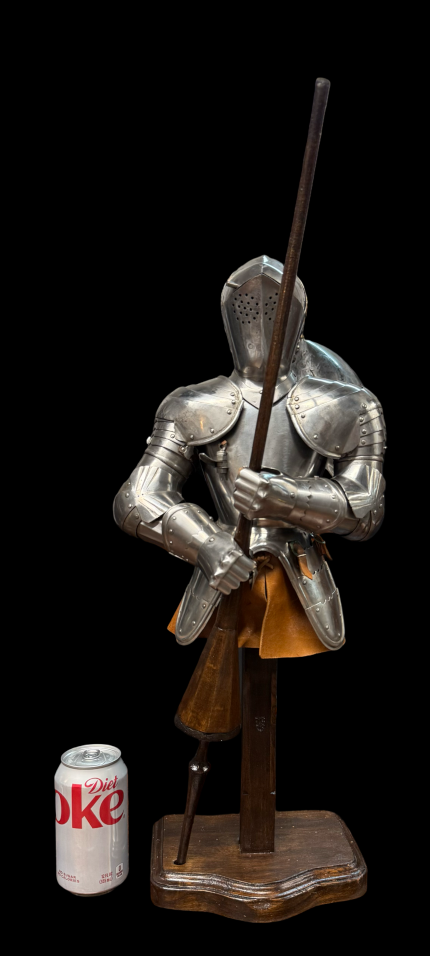
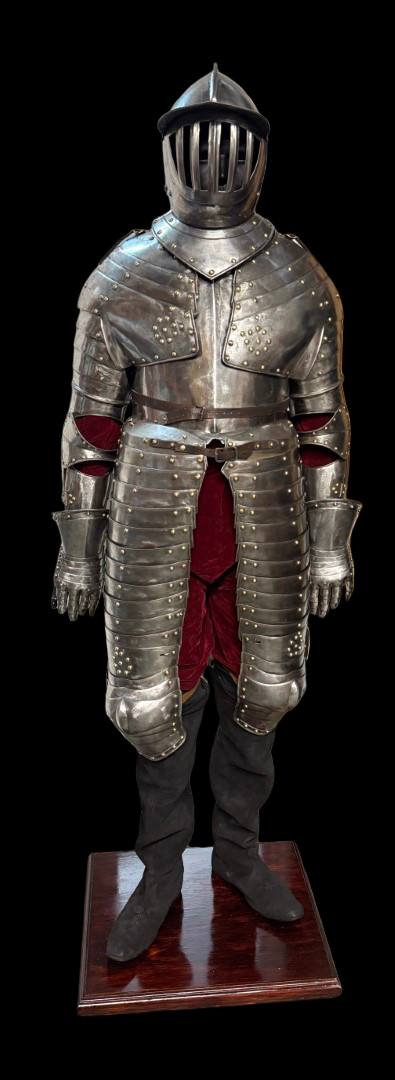
Introduction: This is a highly detailed, late circa 1880 Historismus (Historic Revival)/Victorian reproduction of a full-sized European armor from circa 1580. The craftsmanship is superior to the highly sought-after Schmidt armors. Almost certainly made by the Viennese master armorer Leopold Winkelmayer. Winkelmayer was an...
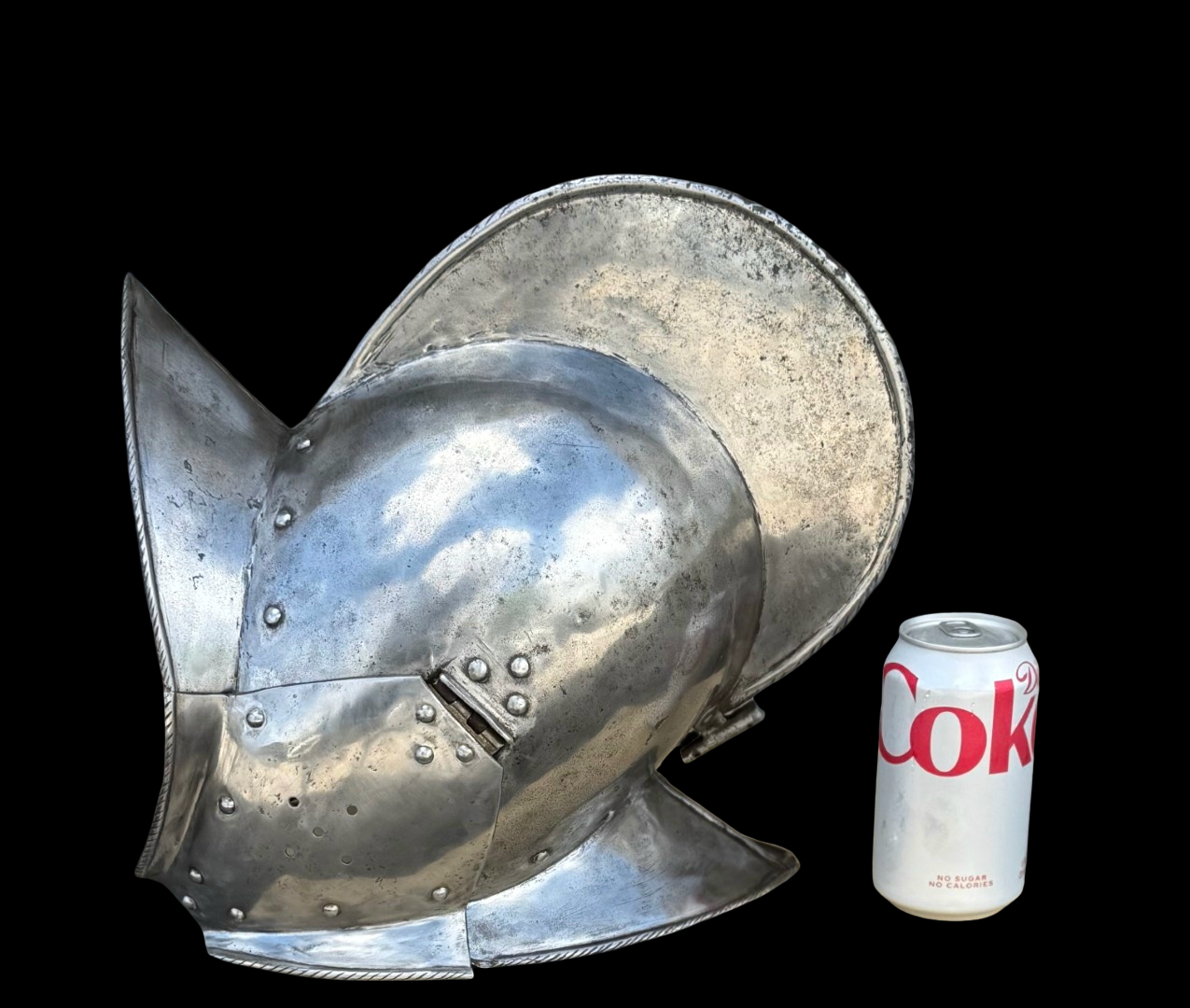
Introduction: In my opinion, the burgonet is the finest defensive helmet of the Medieval and Renaissance periods. The burgonet, sometimes called the "Burgundian sallet", largely replaced the sallet in the 16th century. The best surviving example, most demonstrative of the transition from the sallet to the burgonet circa 1500, is located in the...
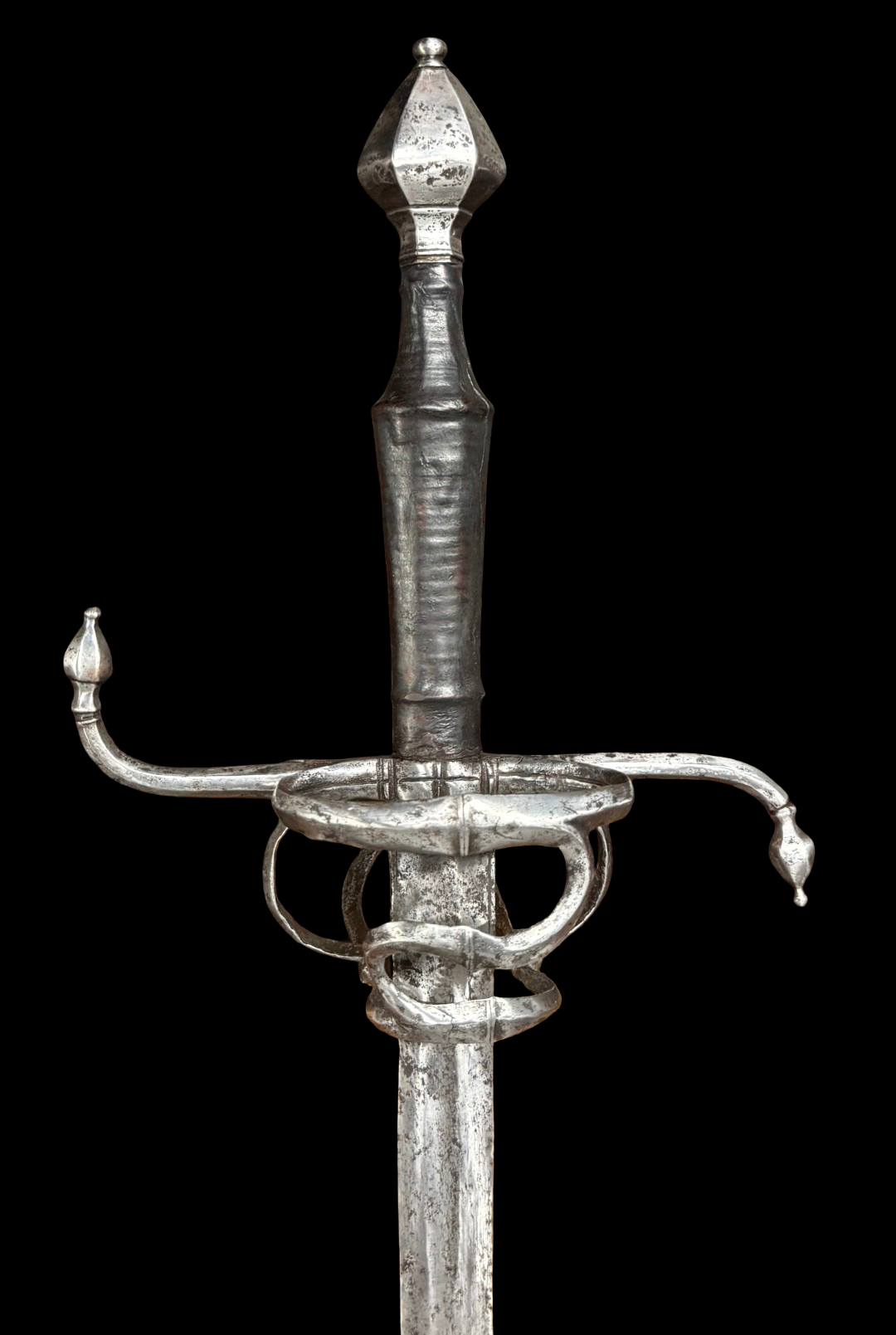
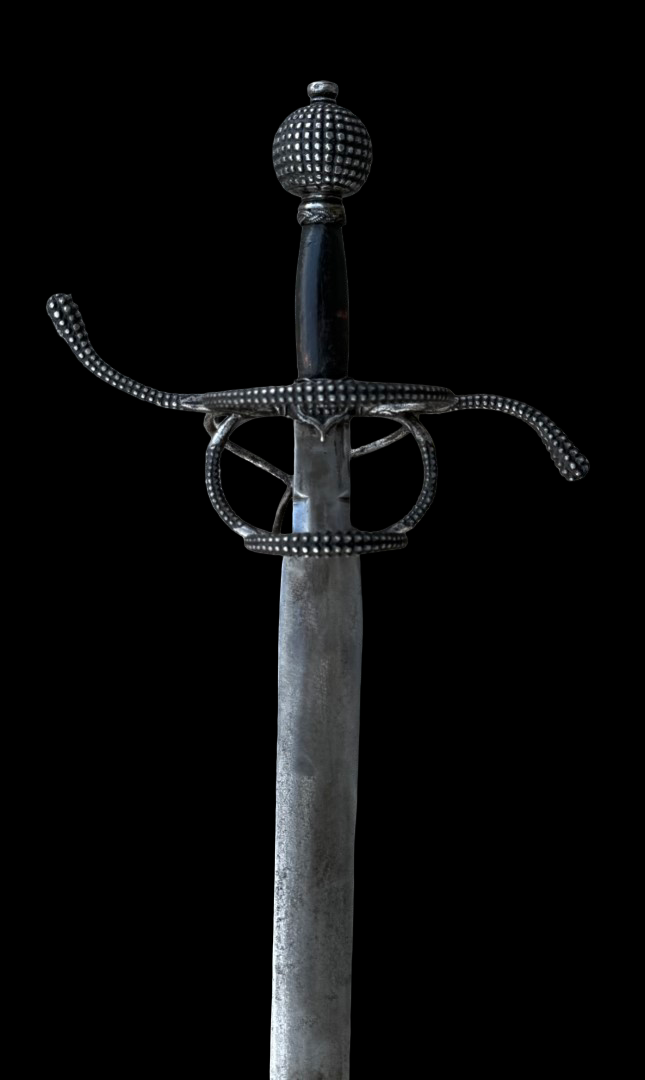
Introduction: This sword is an excellent representation of a complex Renaissance "developed hilt" for a bastard sword. The hilt offers substantial hand protection at a time when the steel gauntlet was quickly falling out of vogue. Almost certainly this is the typology of hilt that Sir John Smithe referred to in his...
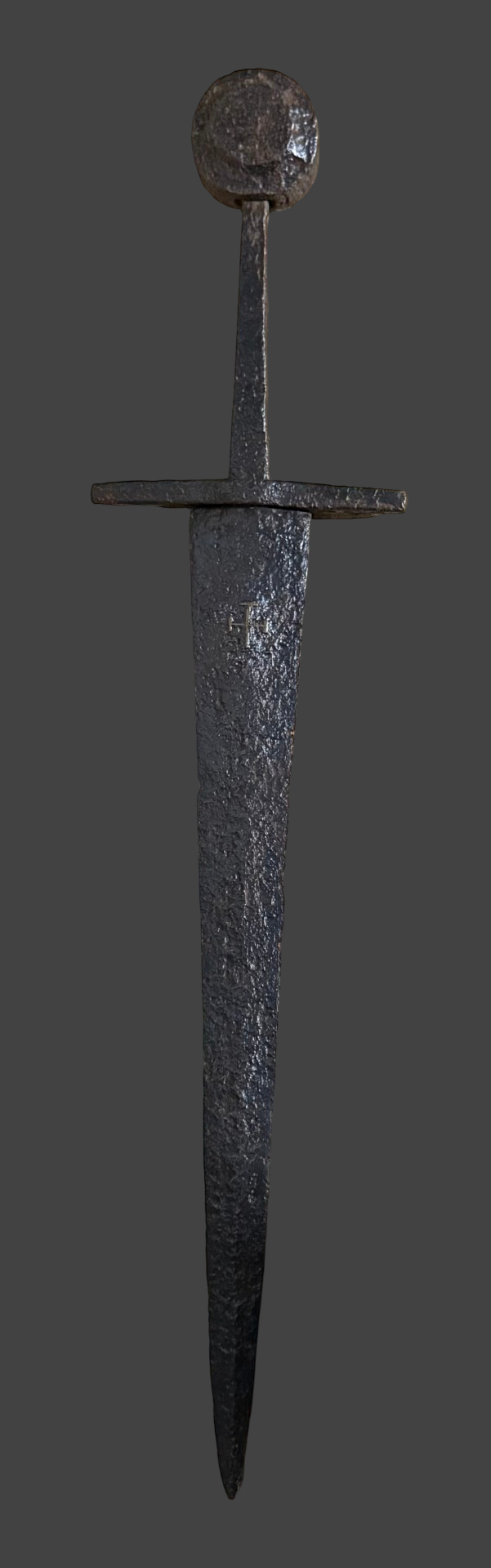
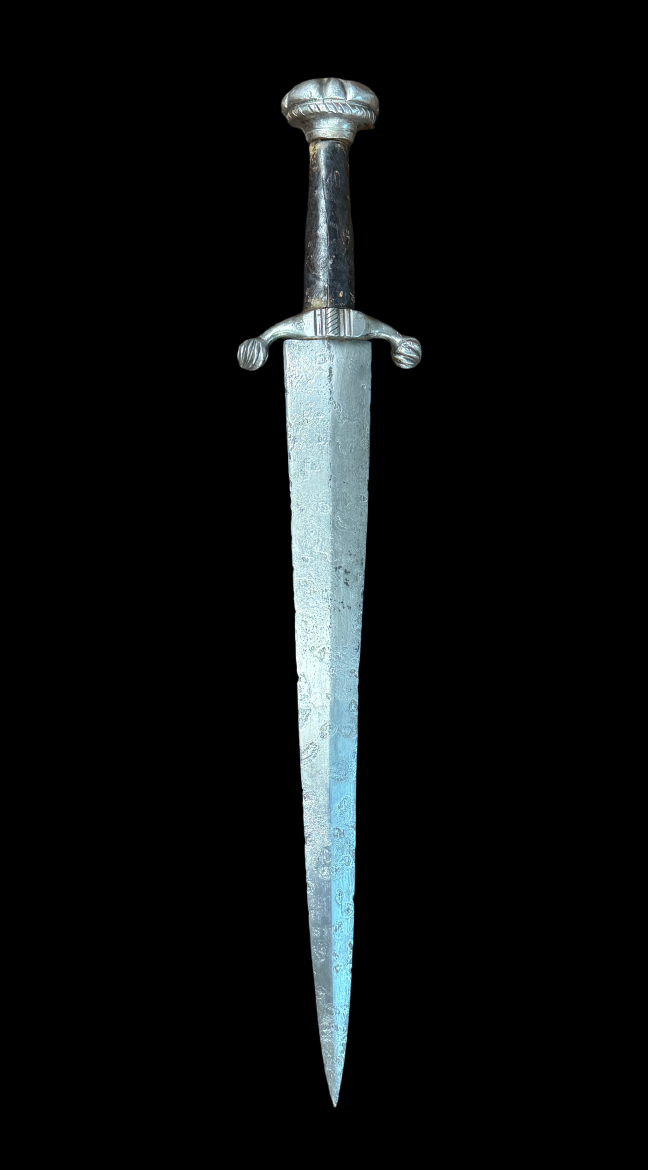
Introduction: A stout dagger with superb workmanship and a rare typology. A near-identical one, except smaller, appears on page 321 (9) in my book.
Early daggers are dated based on overall analogies to ...
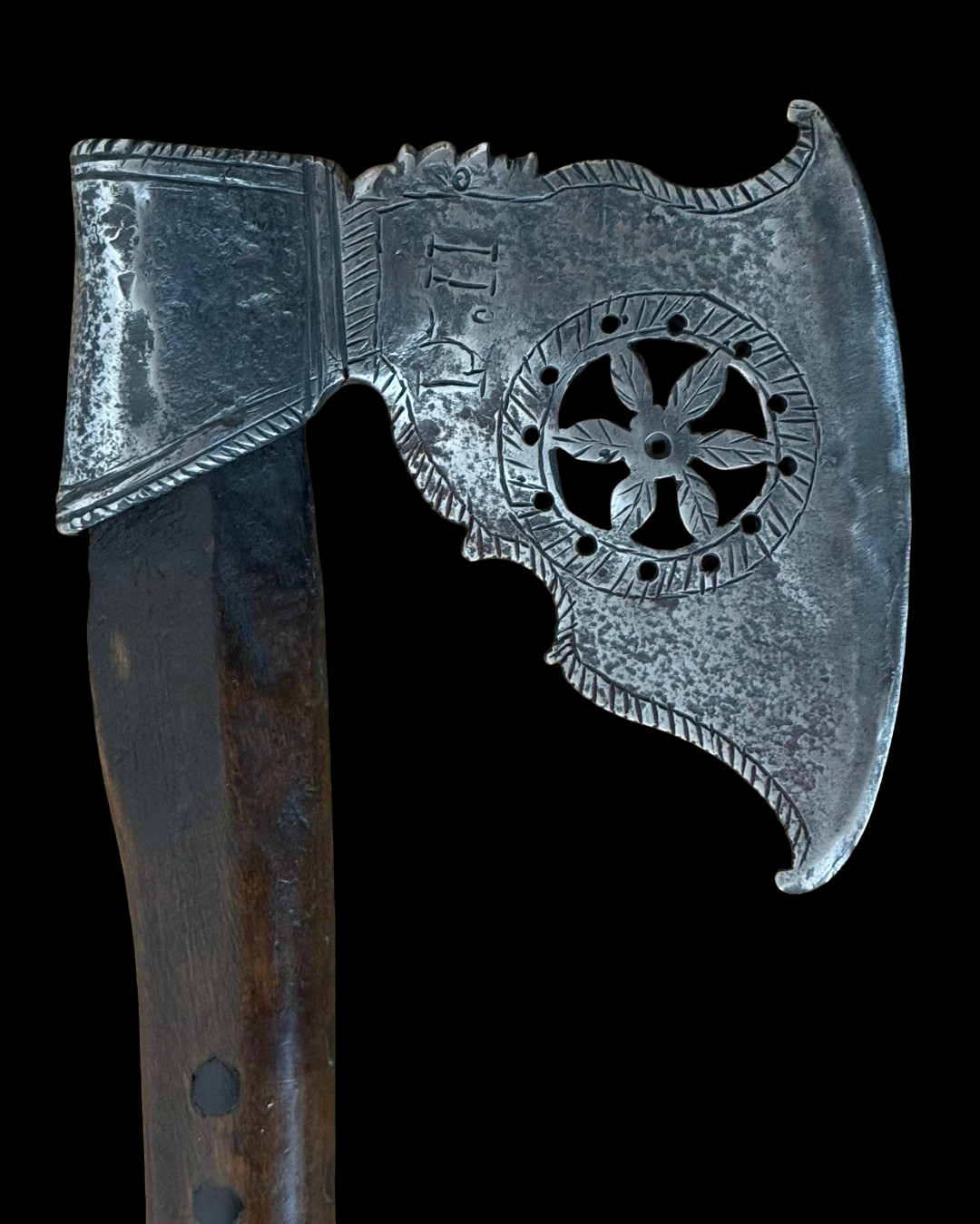
Introduction: This weapon is a highly distinctive type of battle axe or elite naval commando weapon for a high-ranking officer during the Renaissance in Venice and Northern Italy from the late 16th to early 17th century. The artistic execution reflects high-status Northern Italian craftsmanship.
Description: The monster profile on the front profile of the...
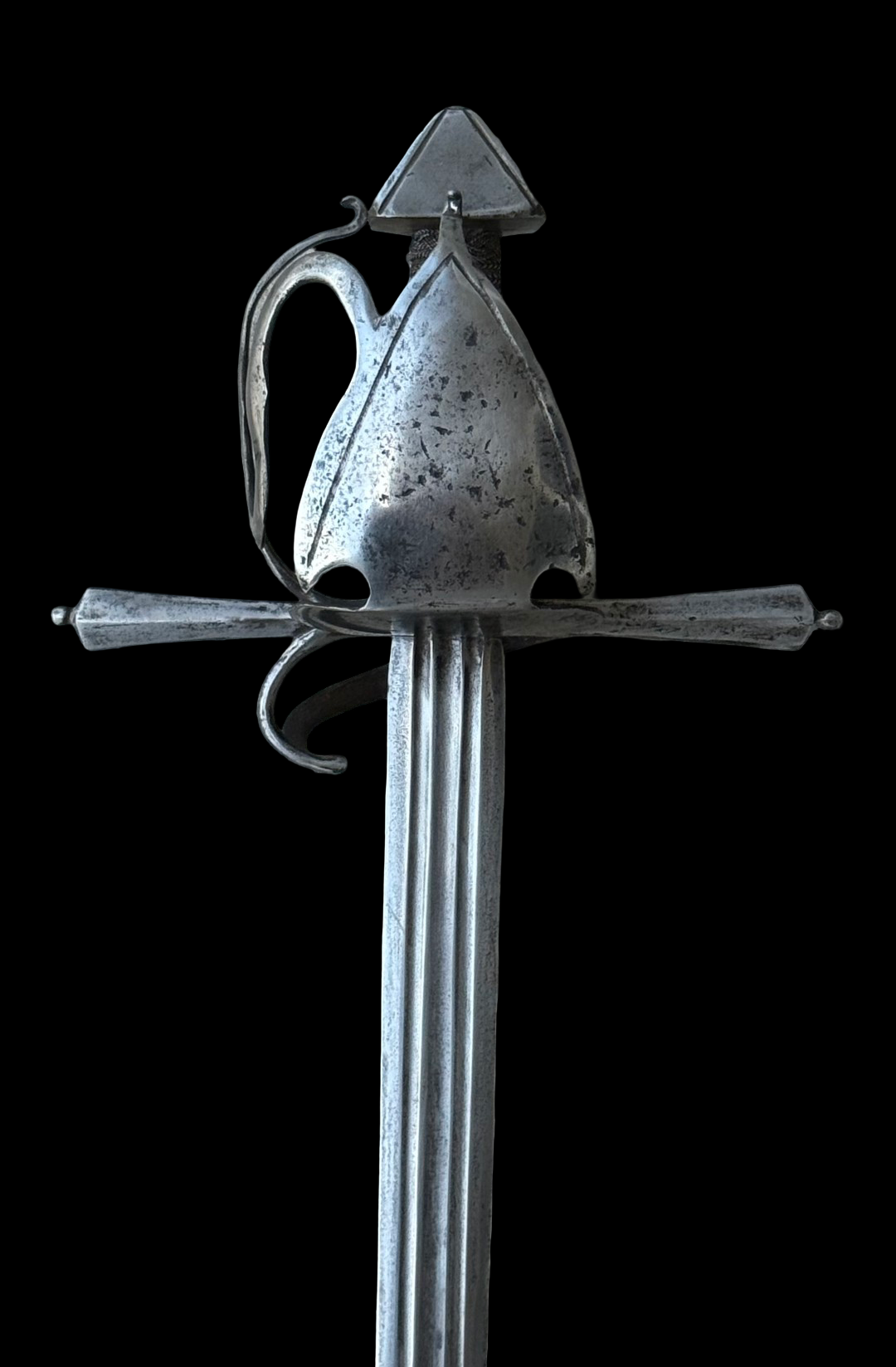
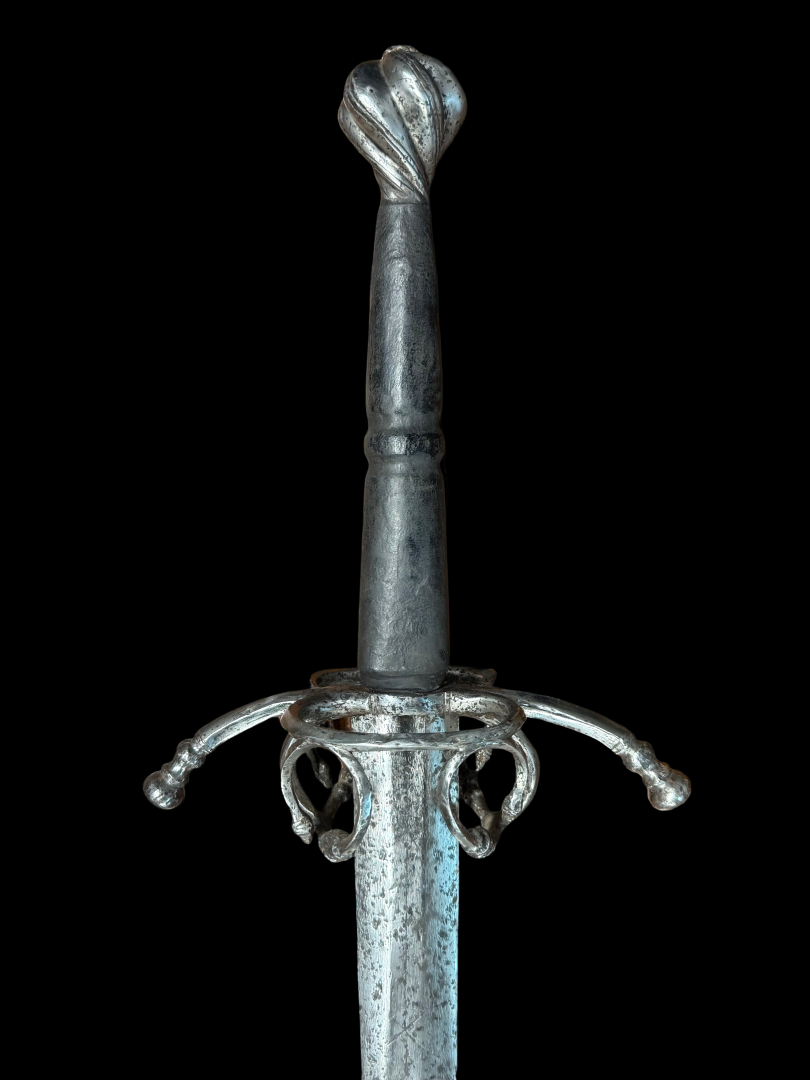
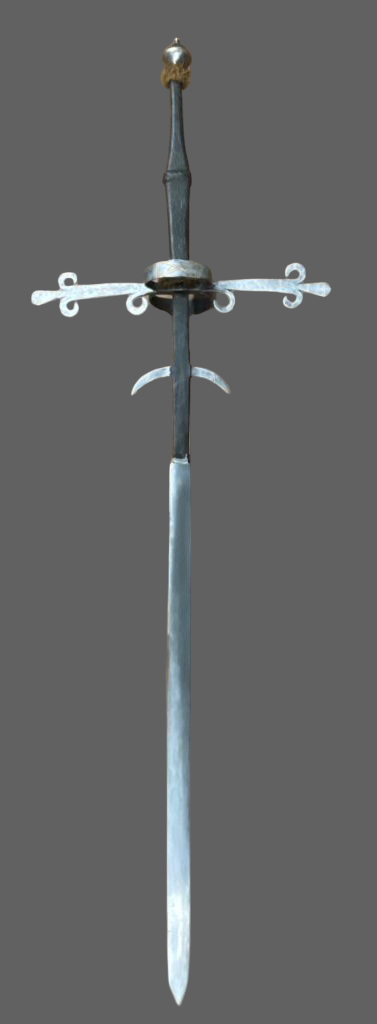
Introduction: While broadly categorized within Germanic military traditions, this specific style is highly characteristic of the weapons produced by the Styrian arsenals (such as the famous Landeszeughaus in Graz). The iron hilt design highlights the transition between medieval cruciform swords and the more complex swept-hilt rapiers of the Renaissance.
Styria (now southeastern Austria) was one of the most important weapons-producing regions in the Holy Roman Empire during the 16th century. The famous Landeszeughaus (Provincial Arsenal) in Graz — which still survives today as the world's largest preserved Renaissance arsenal — housed tens of thousands of weapons virtually identical in character to this...
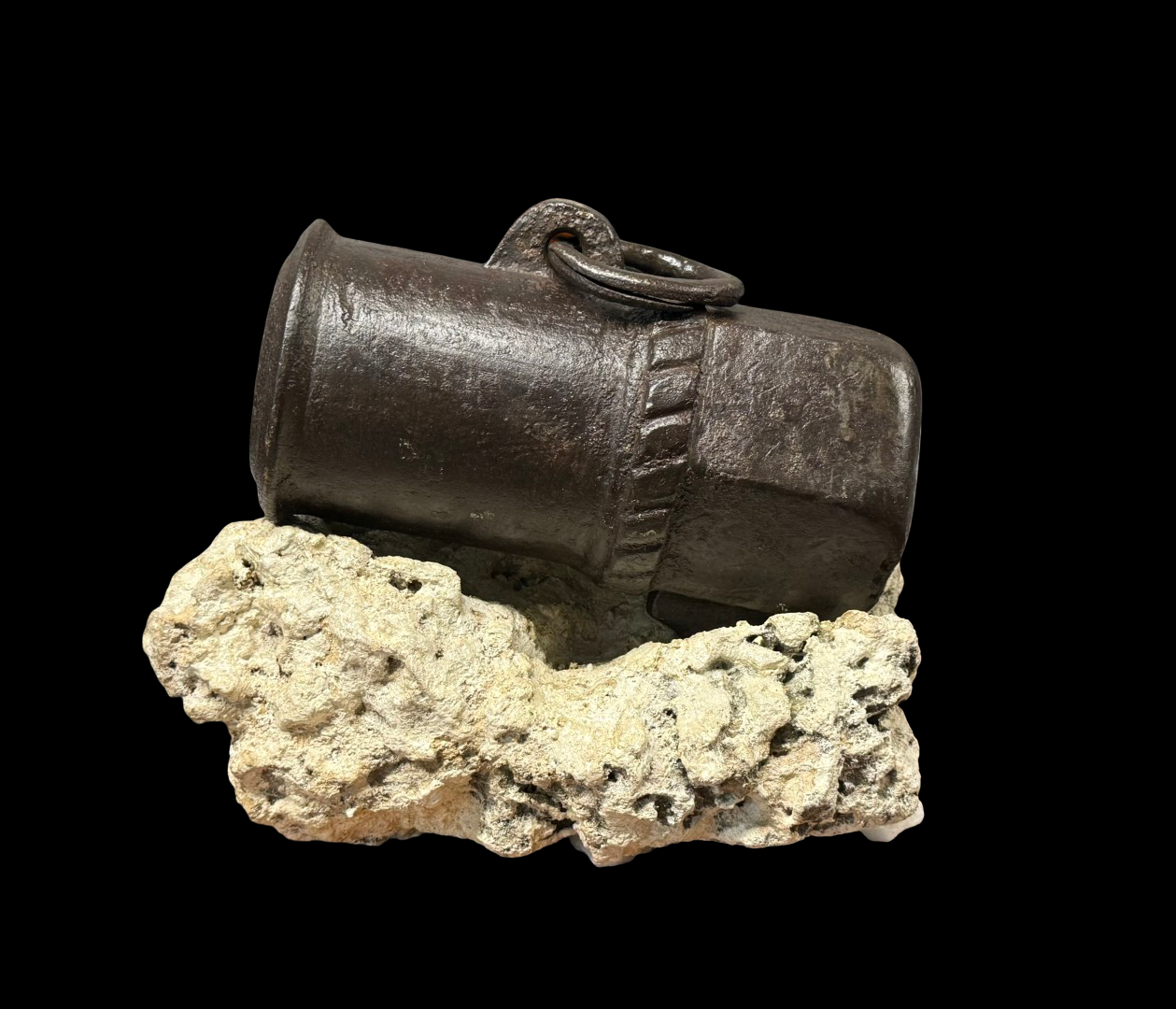
Description: This cannon is too big and heavy to be considered a hand cannon and not big enough to be a bombard designed to tear down castle walls. Instead, it would have been attached to a...
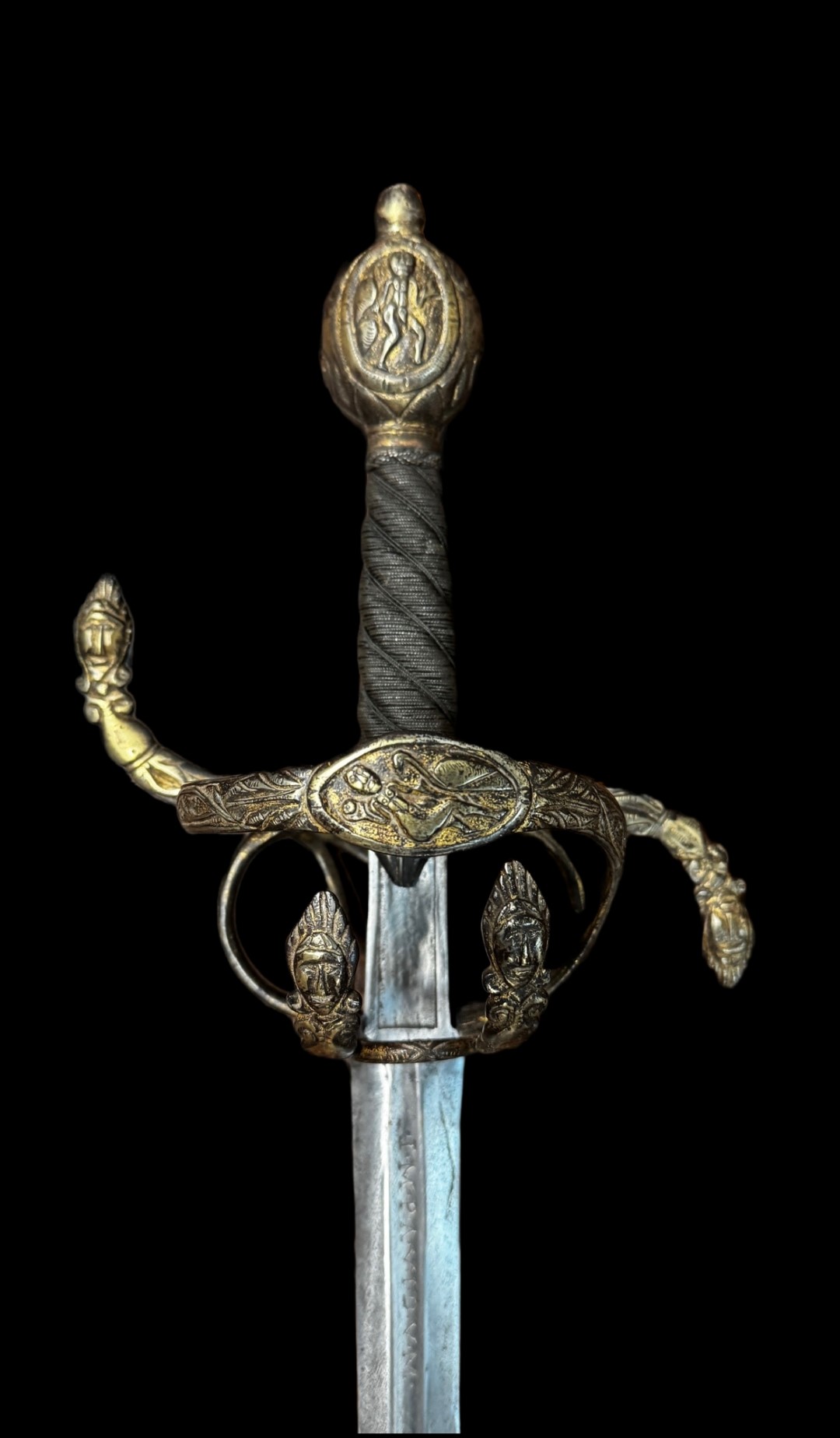
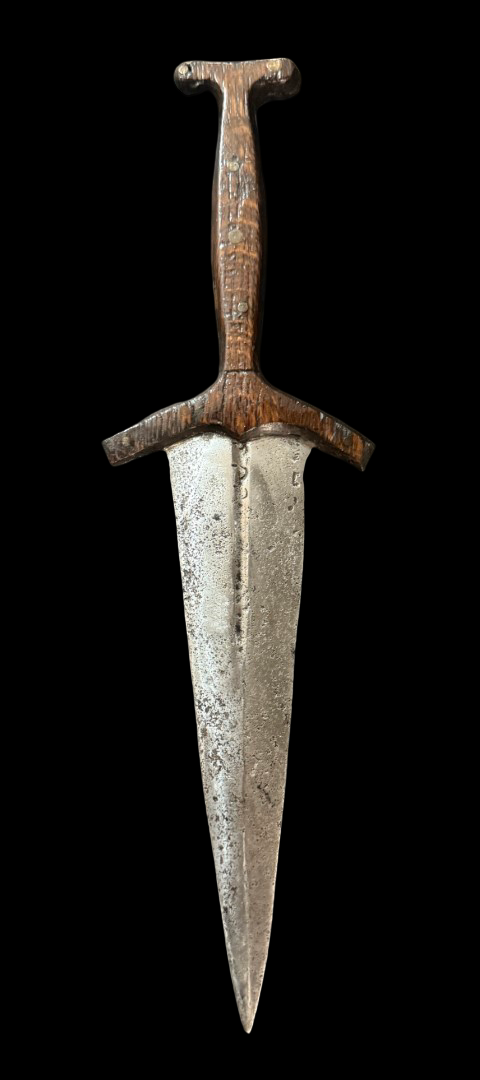
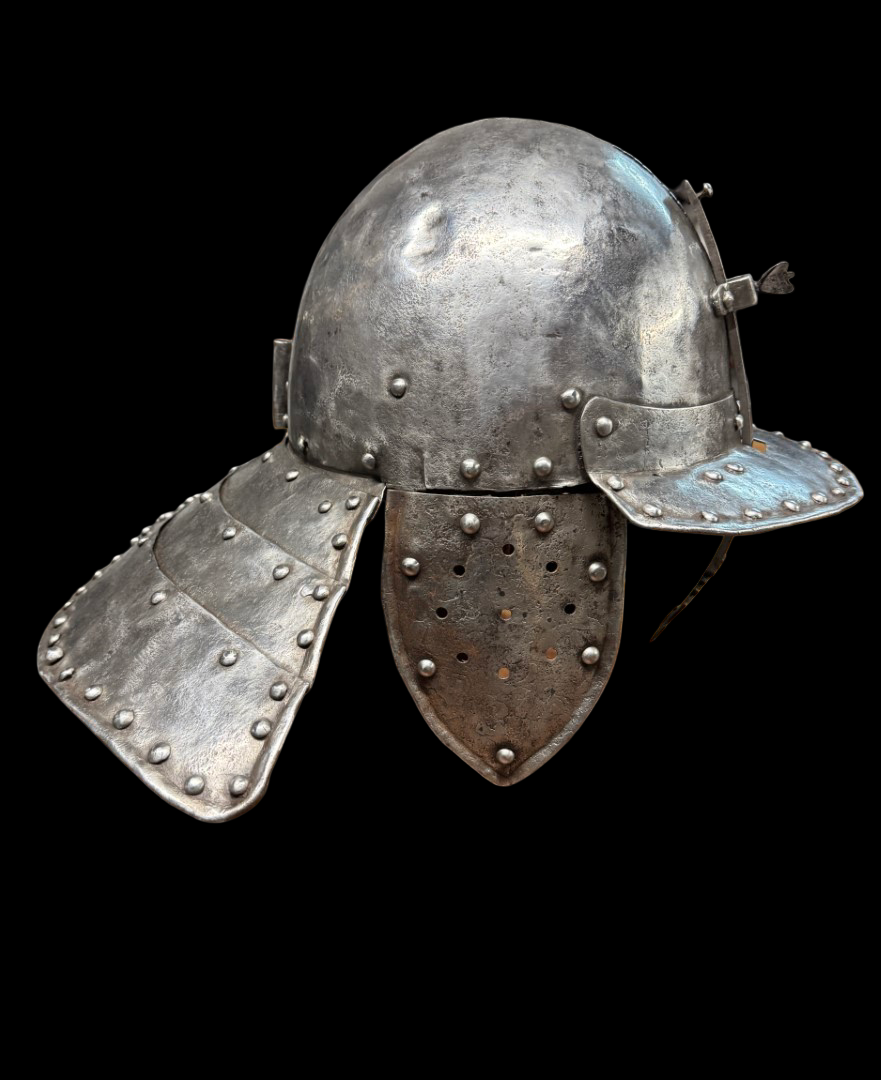
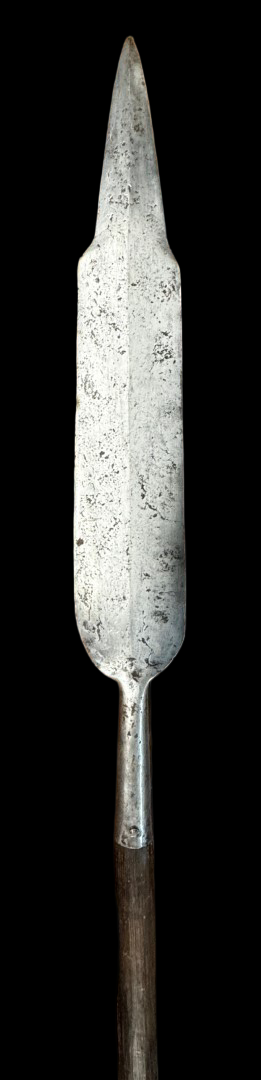
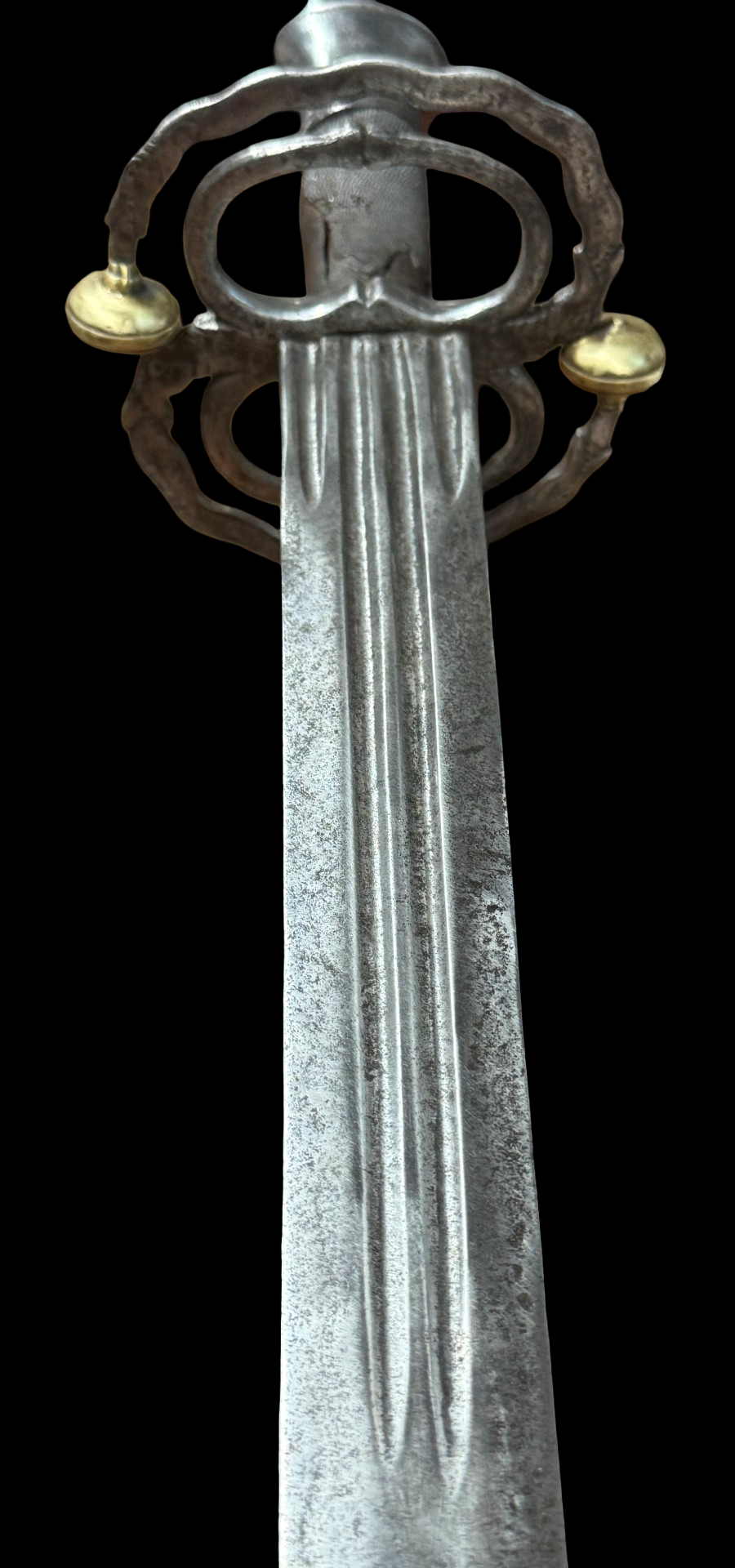
Introduction: The Katzbalger was the signature sword of the dreaded Landsknecht mercenaries of Germany. This is a… blood-and-guts…slash and thrust… kill or be killed… fighting sword. The fighting theory of...
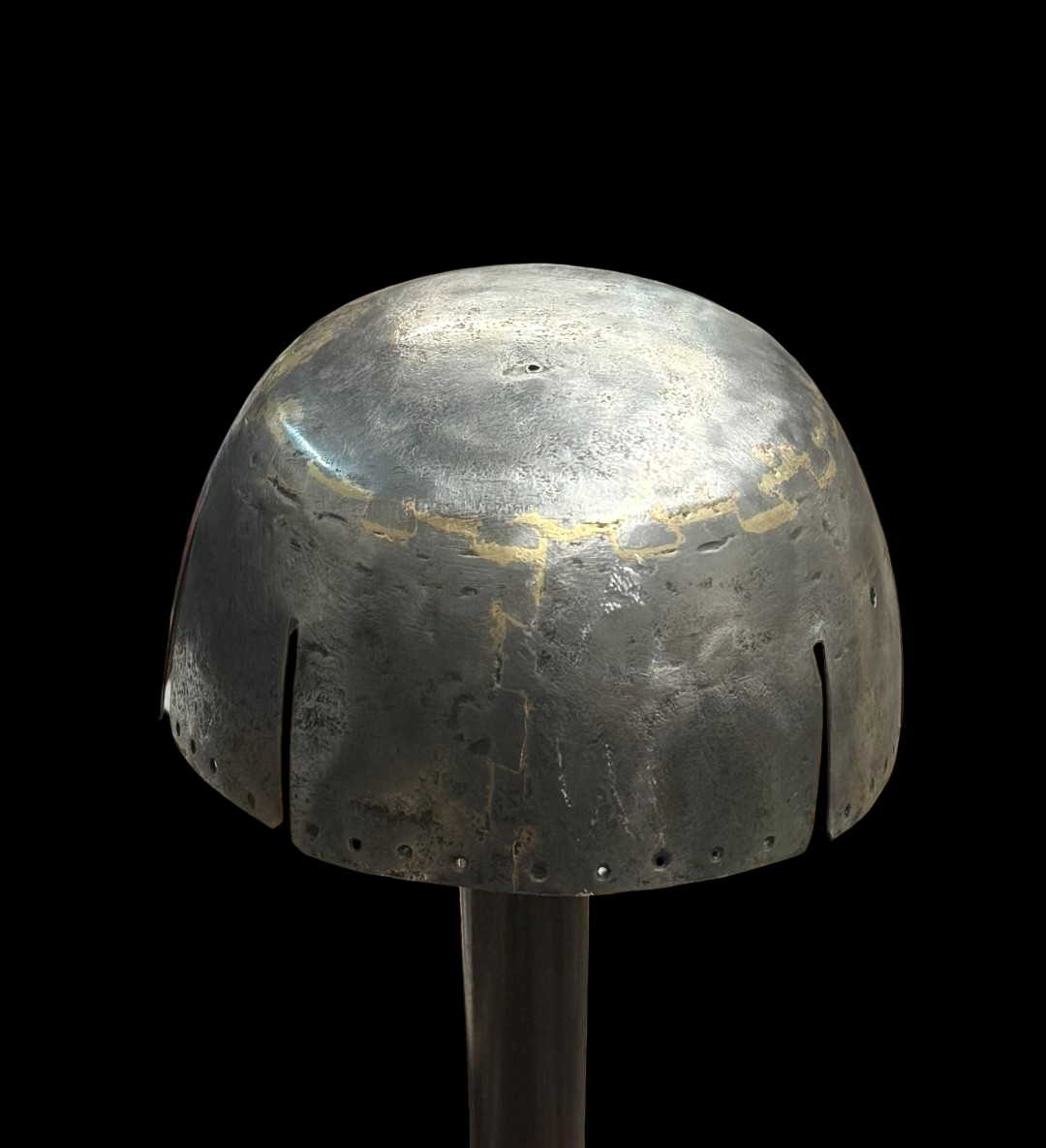
Introduction: This helmet typology was worn, hidden under a hat, during the Renaissance to protect the wearer's head from attacks with weapons. It is called a...
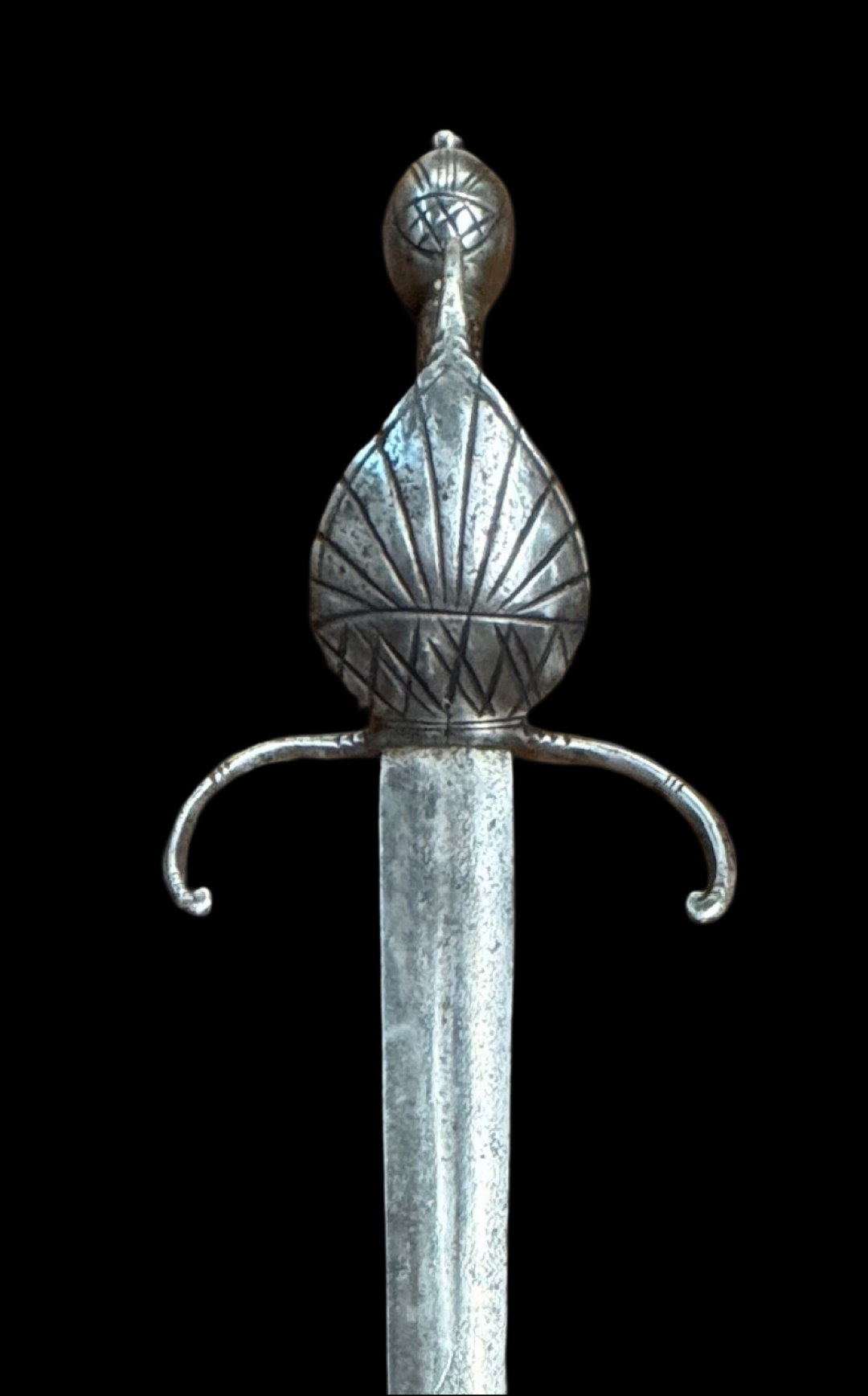
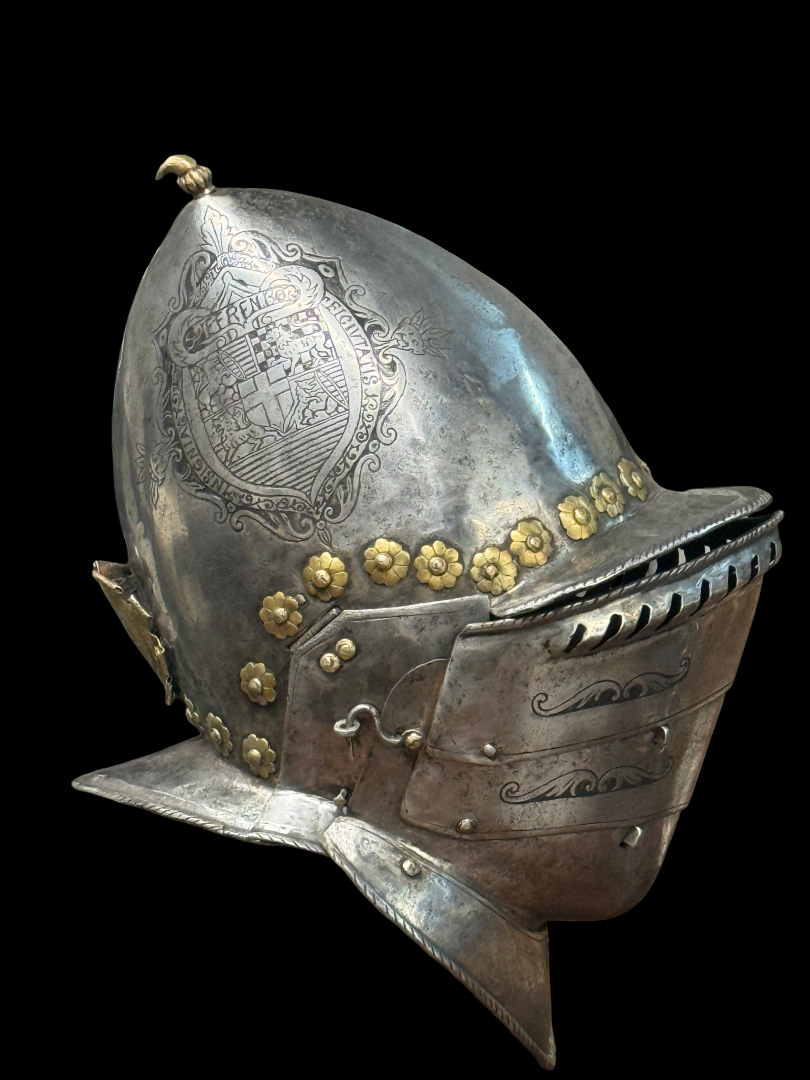
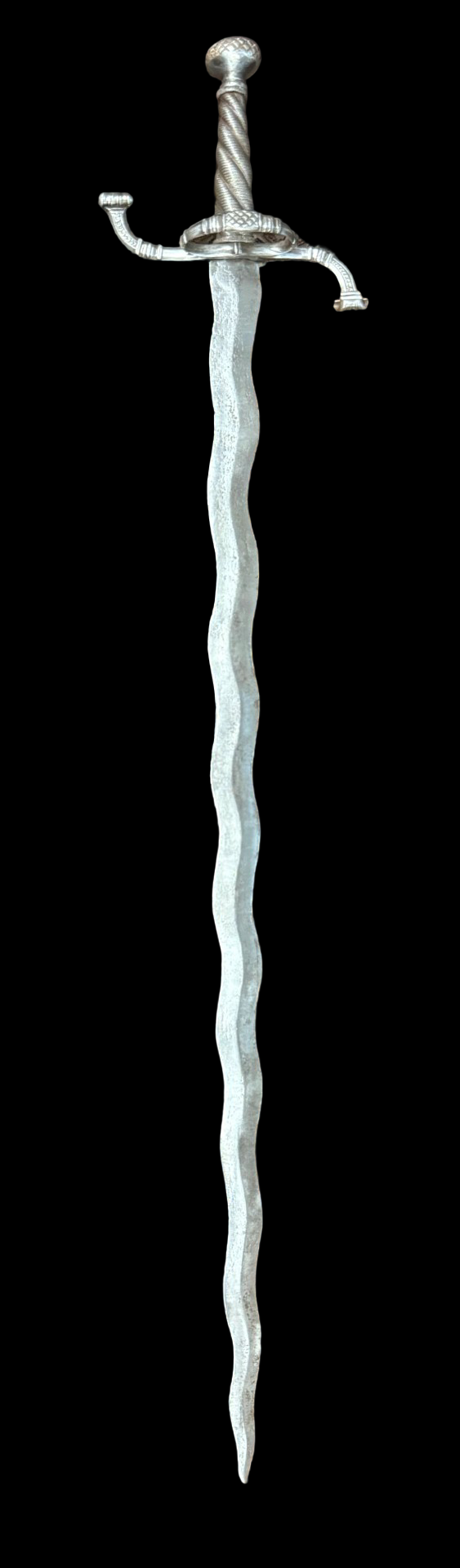
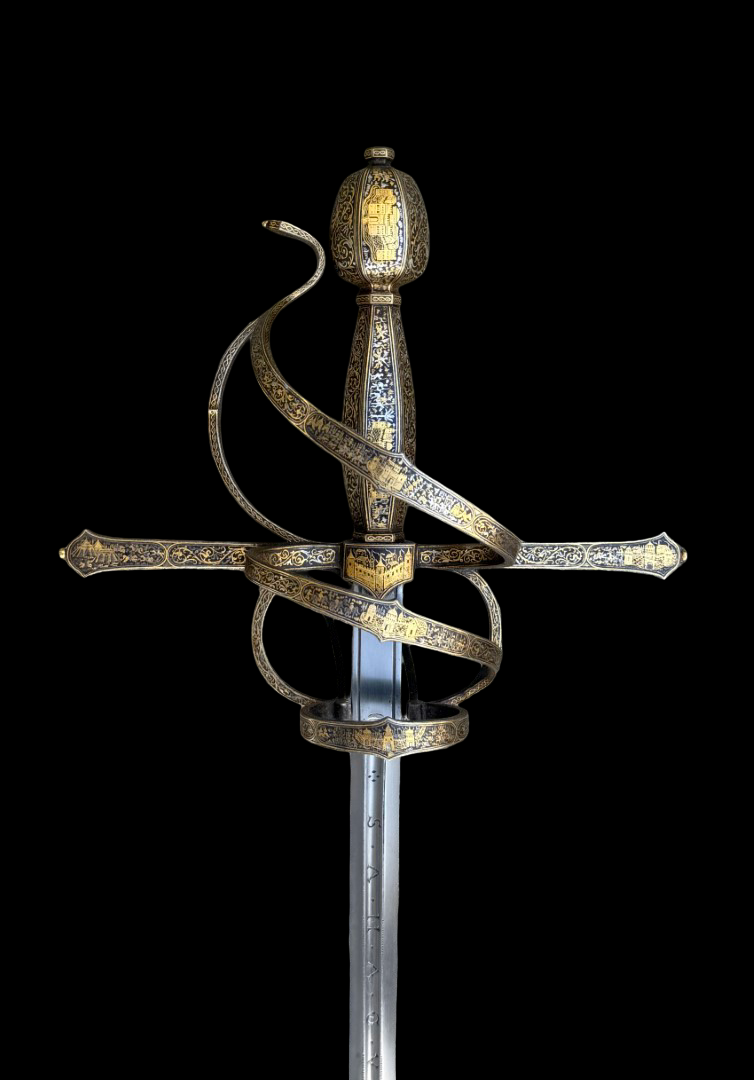
Introduction: The rapier under discussion is an actual, mint-condition rapier from circa 1560. The hilt was hand-decorated with damascene around 1850 during the...
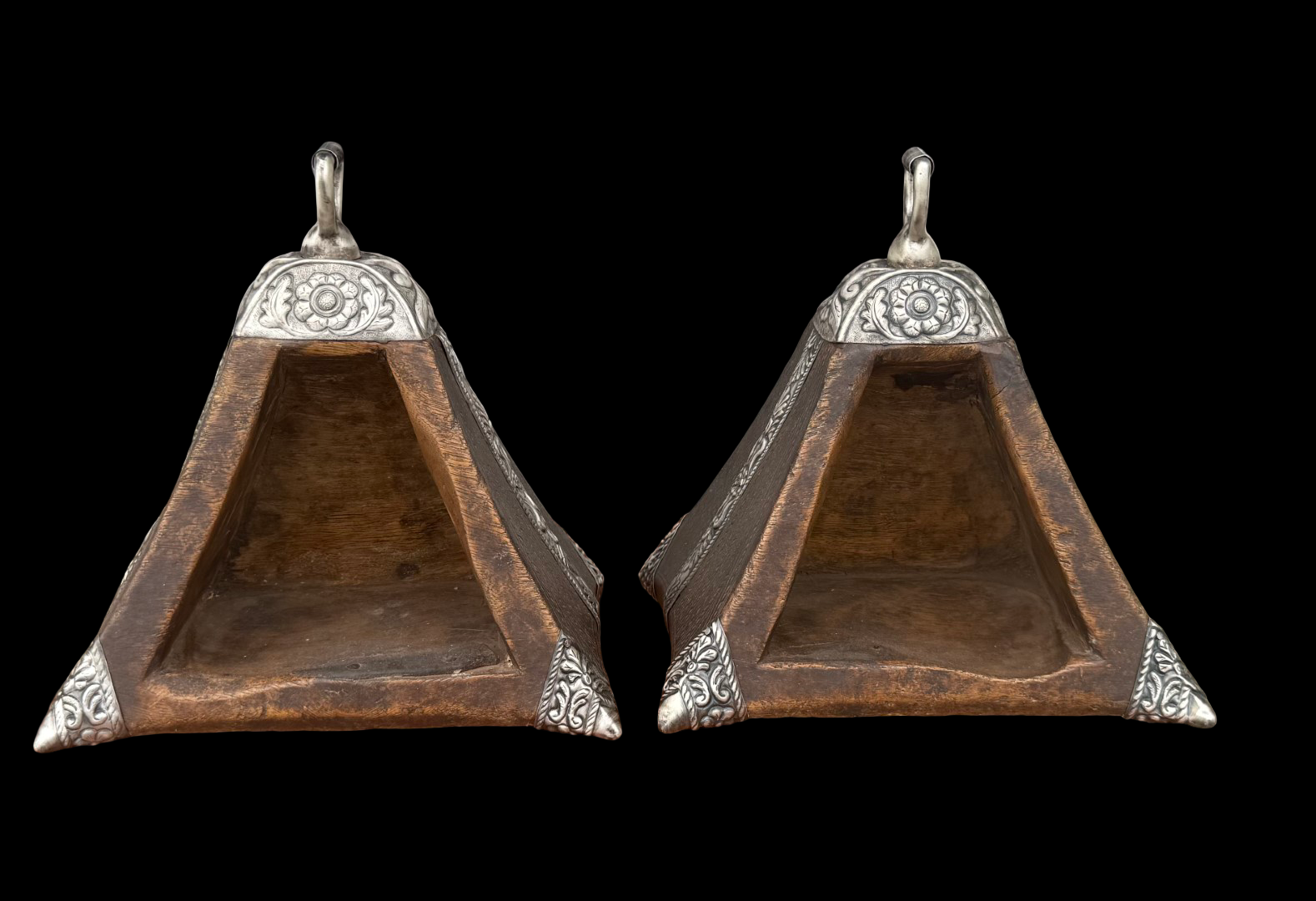
Introduction: The original owner who commissioned this pair of...
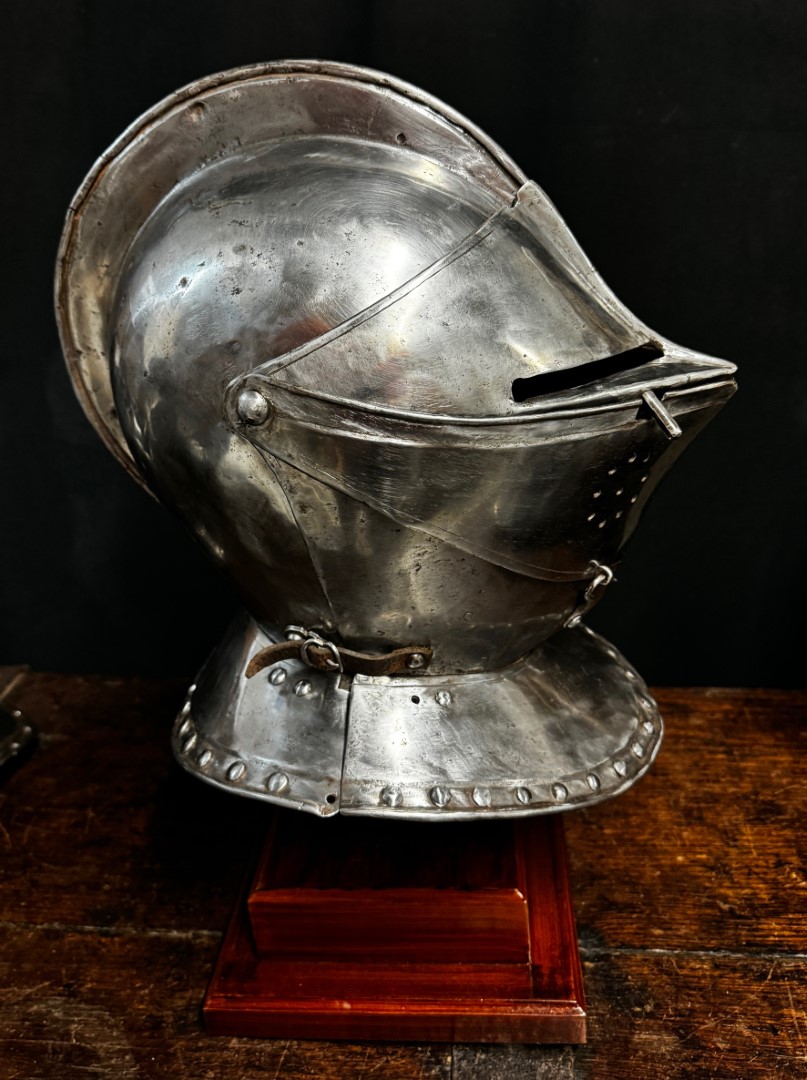
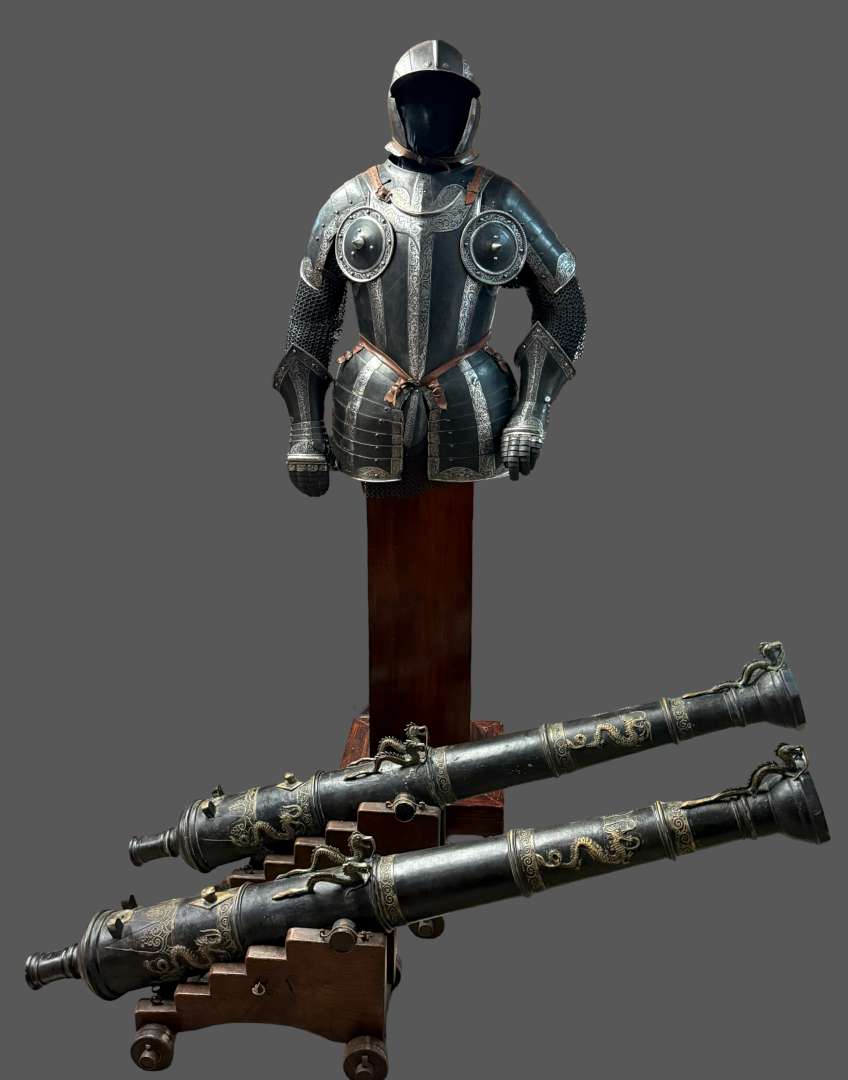

Introduction: Walk into the office, living room, or...